
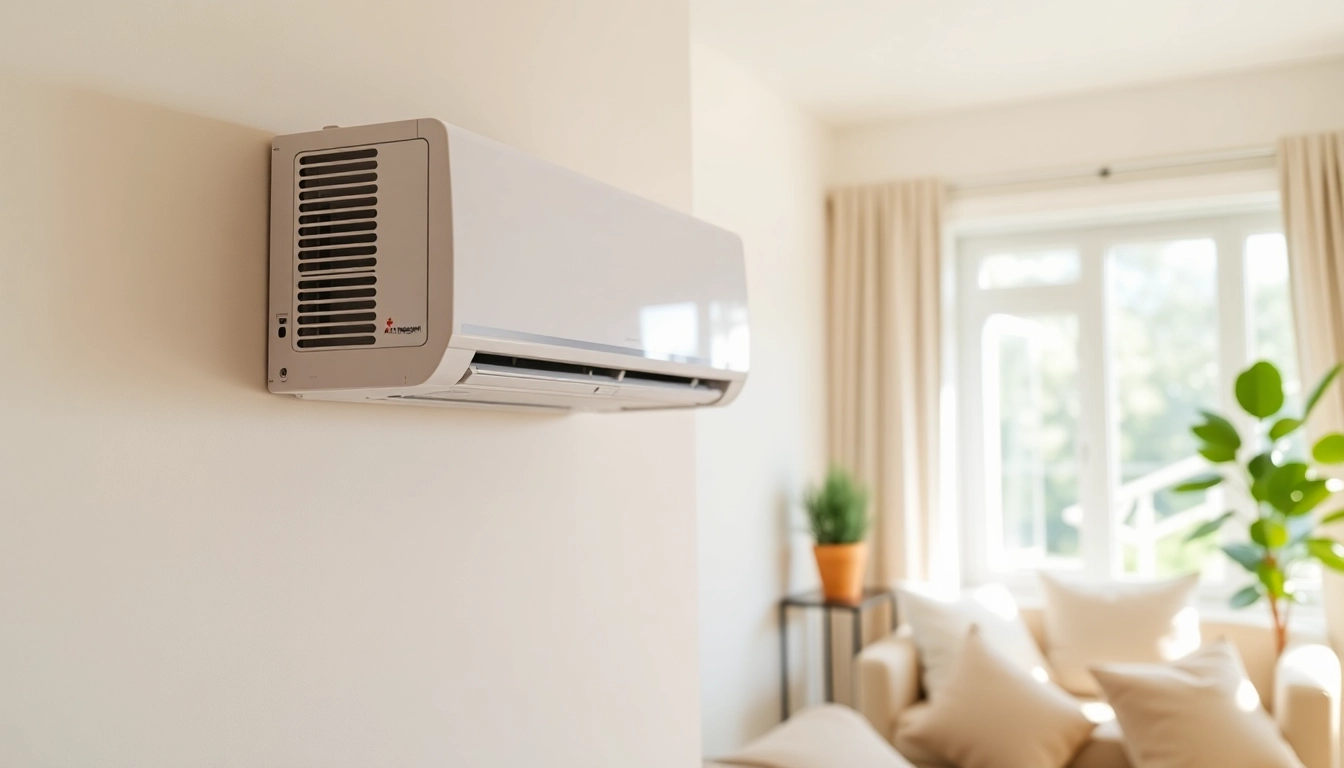
Understanding Mitsubishi Mini Split AC Technology
The mitsubishi mini split ac is rapidly gaining popularity among homeowners and businesses seeking a versatile and efficient cooling solution. Understanding how this technology operates, its myriad benefits, and the features that set Mitsubishi apart is essential for anyone considering a cooling system upgrade. These ductless systems provide both heating and cooling, helping users maintain a comfortable indoor climate year-round.
How Mini Split Systems Operate
Mini split systems consist of two main components: an indoor air-handling unit and an outdoor compressor unit. The setup allows for significant flexibility in installation since it doesn’t require ductwork, making it ideal for both new constructions and retrofits. The indoor unit is mounted on the wall or ceiling, where it disperses cooled or heated air evenly throughout the space.
At its core, the mini split operates using refrigerant to transfer heat. In cooling mode, the refrigerant absorbs heat from the indoor air and transfers it outdoors. In heating mode, the process reverses, extracting heat from the outside air and delivering it indoors. This operation is managed by a microprocessor controller, which allows for precise temperature control and zoning capabilities, enabling you to set different temperatures for different rooms or zones.
Benefits of Choosing Mitsubishi Mini Split AC
Choosing a Mitsubishi mini split AC comes with several advantages:
- Energy Efficiency: Mini split systems typically consume less energy than traditional HVAC systems, often achieving SEER (Seasonal Energy Efficiency Ratio) ratings above 20.
- Flexibility: The ability to install multiple indoor units connected to a single outdoor compressor allows for tailored heating and cooling in various spaces.
- Easy Installation: Minimal structural modifications are required, making installation faster and often less expensive.
- Quiet Operation: Designed with noise reduction in mind, Mitsubishi mini splits operate quietly—ideal for bedrooms and study spaces.
- Improved Air Quality: The systems often come equipped with filters that purify the air, reducing dust, allergens, and pollutants.
Key Features to Look For
When considering a Mitsubishi mini split AC, pay attention to the following features:
- Inverter Technology: This reduces energy consumption by varying compressor speed to meet cooling and heating demands efficiently.
- Multi-Zone Capability: Some models allow for multiple indoor units to be controlled independently from one outdoor unit, enhancing comfort throughout the home.
- Wi-Fi Connectivity: Many Mitsubishi units come with smart technology that enables remote operation via smartphones or tablets.
- Filter Indicators: These alerts notify users when it’s time to clean or replace filters, maintaining air quality and efficiency.
Installation Essentials for Mitsubishi Mini Split AC
Preparing Your Home for Installation
Before the installation of a Mitsubishi mini split AC, homeowners should take several preparatory steps. Begin with a thorough assessment of the space to determine cooling and heating needs. Consider factors such as room dimensions, sunlight exposure, and insulation qualities to select the right unit capacity.
Next, it’s important to clear the installation area of furniture or obstacles to provide ample access. Evaluate electrical requirements, as some units might need dedicated circuits or upgradation to existing electrical systems. Lastly, ensure there are access points available for the refrigerant lines, condensate drain, and power supply to connect the indoor and outdoor units effectively.
Finding the Right Location for Your Unit
The placement of both indoor and outdoor units can significantly impact efficiency and performance. Indoor units should be located where air can circulate freely, such as central walls, avoiding corners or spaces hindered by furniture.
For outdoor units, select a shaded area to enhance efficiency and reduce noise. Ensure the unit has proper ventilation and is placed on a stable, level surface, ideally above ground to protect it from flooding. The distance between the indoor and outdoor units should be minimized yet sufficient to adhere to recommended piping specifications.
Professional vs. DIY Installation
While DIY installation of a Mitsubishi mini split AC could be considered to save costs, hiring a professional is highly recommended. Professionals ensure accurate placement, electrical connections are compliant with local codes and safety standards, and unit performance is optimized.
Additionally, professional installation may come with warranties, protecting the investment more securely. Knowledgeable technicians can also assess unique factors regarding your home that a DIYer might overlook, helping to avoid future headaches.
Energy Efficiency and Cost Savings with Mitsubishi Mini Split AC
Understanding SEER Ratings
Seasonal Energy Efficiency Ratio (SEER) is a measure used to determine the energy efficiency of air conditioning units. It is calculated by dividing the cooling output during a typical cooling season by the total electricity consumption during the same period.
For Mitsubishi mini split AC systems, SEER ratings typically range from 16 to over 20, placing them at the high end of the energy efficiency spectrum. A higher SEER rating generally means lower operational costs, as the system uses less electricity to produce the same cooling effect. Understanding SEER ratings helps consumers evaluate the long-term savings associated with their cooling systems.
Long-term Financial Benefits
Investing in a Mitsubishi mini split AC can yield substantial long-term financial benefits, primarily through energy savings. While the upfront costs may be higher than conventional systems, the lower energy consumption leads to decreased utility bills. Additionally, some regions offer rebates and incentives for energy-efficient appliances, further offsetting the initial costs.
Maintenance savings also play a role; the simple and modular design of mini splits allows for easier access to components, simplifying repairs and upkeep. Extended warranties additionally provide peace of mind against unexpected repair costs.
Comparative Analysis with Traditional Systems
When comparing Mitsubishi mini split AC systems to traditional ducted systems, the advantages become clear. Traditional HVAC systems typically lose a significant amount of energy through ductwork, leading to inefficiencies and higher energy bills. In contrast, mini splits operate without ductwork, delivering cooled or heated air directly to the intended space with minimal energy loss.
Moreover, traditional systems often require regular maintenance of ducts, which adds to operating costs. On the other hand, Mitsubishi mini splits require less regular maintenance, contributing to overall savings in the long term. Consumers can see considerable reductions in energy consumption while enjoying the precise temperature control that ductless systems offer.
Maintenance Tips to Extend Lifespan
Regular Cleaning and Filter Replacement
Regular cleaning and maintenance of your Mitsubishi mini split AC is essential for optimal performance and longevity. Filters should be checked and cleaned or replaced monthly, particularly during peak usage seasons. Clogged filters restrict airflow, forcing the unit to work harder and thus increasing energy consumption.
Additionally, the outdoor unit should be inspected regularly to ensure that coils are free from debris, leaves, or dirt. Cleaning the outdoor coil enhances efficiency and increases the lifespan of the unit. Homeowners can refer to the user manual for instructions on cleaning and basic maintenance tasks.
Identifying Common Issues
Being aware of common issues that can arise with Mitsubishi mini split systems can save time and money. One frequent problem includes refrigerant leaks, which can reduce cooling capacity and efficiency. Symptoms might include inconsistent cooling or ice buildup on coils. If such issues arise, it is prudent to contact a technician for diagnosis and repair.
Moreover, watch for unusual noises, which can indicate mechanical problems or loose components. If the unit experiences a sudden loss of cooling or makes strange sounds, a preventative check is advisable.
When to Contact a Professional
While homeowners can perform many basic maintenance tasks, certain situations necessitate the expertise of a trained professional. If you notice refrigerant leaks, unexplained high energy bills, or the system fails to function, it’s time to call a technician. Repairs involving electrical components or refrigerant handling should always be performed by a licensed professional to ensure safety and compliance with local regulations.
Regular professional check-ups can also detect small problems before they turn into costly repairs, further extending the unit’s lifespan.
Frequently Asked Questions About Mitsubishi Mini Split AC
What size Mitsubishi mini split ac do I need for my room?
To determine the appropriate size, calculate the room’s square footage and consult a BTU sizing chart. For general guidance, 20 BTUs per square foot is typical.
Is it noisy to operate a mitsubishi mini split ac?
Mitsubishi mini splits are designed for quiet operation, with indoor units often producing noise levels as low as 19 dB, similar to a whisper.
Can I install a mitsubishi mini split ac myself?
While some homeowners attempt DIY installation, it’s recommended to hire a professional for optimal setup and compliance with safety regulations and warranties.
How often should I maintenance my mitsubishi mini split ac?
Regularly clean or replace filters every month and schedule a professional inspection at least once a year to ensure peak performance.
What energy savings can I expect with a mitsubishi mini split ac?
Due to their high SEER ratings, Mitsubishi mini splits can provide energy savings up to 30-40% compared to traditional HVAC systems over time.