Understanding Lower Back Pain
Lower back pain is a prevalent issue that affects millions of people worldwide. It can range from a dull ache to a debilitating condition, impacting individuals’ daily lives and activities. Finding effective lower back pain treatment options is crucial for those suffering from this discomfort.
Common Causes of Lower Back Pain
Lower back pain can arise from various reasons, including muscle strains, herniated discs, arthritis, and poor posture. Among the most common causes are:
- Muscle or Ligament Strain: Heavy lifting or awkward movements can strain muscles and ligaments.
- Herniated Discs: Discs in the spine can bulge or rupture, pressing on nerves.
- Arthritis: Osteoarthritis can affect lower back joints, causing pain and stiffness.
- Postural Problems: Sitting for extended periods with poor posture can lead to lower back pain.
- Other Conditions: Conditions such as scoliosis, fibromyalgia, and certain cancers may contribute to ongoing pain.
Who is Affected by Lower Back Pain?
Lower back pain can affect anyone at any age, but certain demographics are more susceptible. It often occurs in:
- Aging Individuals: Generally, older adults experience more strain on their spine.
- People with Sedentary Lifestyles: Lack of exercise can weaken the back muscles.
- Occupational Factors: Jobs that require heavy lifting or prolonged sitting increase risks.
- Those with Pre-Existing Conditions: Individuals with conditions like arthritis are more vulnerable.
Symptoms and Warning Signs
Symptoms of lower back pain can manifest differently depending on the underlying cause. Common signs to be aware of include:
- Aching or Sharp Pain: It can be constant or intermittent.
- Localized Tenderness: Pain may be felt at a specific point or spread to other areas.
- Limited Flexibility: Difficulty in bending or moving the back.
- Radiating Pain: Pain that travels down the legs could signify nerve involvement.
Non-Invasive Lower Back Pain Treatment Options
Many individuals with lower back pain first turn to non-invasive treatment options. These methods can provide relief without the need for surgery or medications, although their effectiveness can vary from person to person.
Physical Therapy Techniques for Relief
Physical therapy is a structured program that includes various modalities to alleviate pain and promote healing. Techniques may include:
- Stretching: Gentle stretches can improve flexibility and reduce tension.
- Strengthening Exercises: Targeted exercises help build back and abdominal muscle strength.
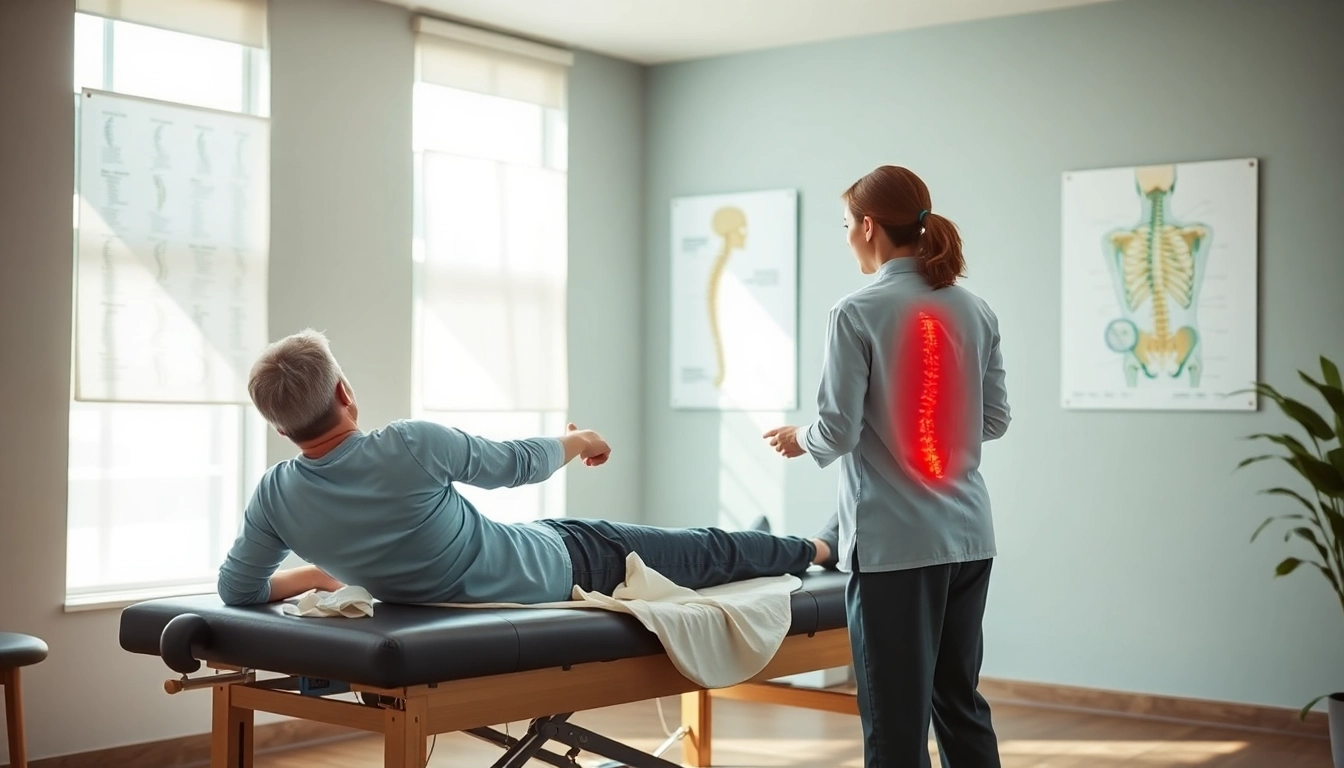
- Manual Therapy: Hands-on techniques by a therapist can ease pain and improve range of motion.
- Therapeutic Ultrasound: This technology can lessen inflammation and enhance healing processes.
Home Remedies and Exercises
In addition to structured treatment, many home remedies can also assist in relieving lower back pain:
- Heat and Cold Therapy: Applying heat pads or ice packs can alleviate muscular pain.
- Over-the-Counter Pain Relievers: Nonsteroidal anti-inflammatory drugs (NSAIDs) can help reduce pain and inflammation.
- Posture Improvement: Maintaining proper alignment while sitting and standing can prevent strain.
- Regular Movement: Short walks and gentle stretching can combat stiffness.
Alternative Therapies: Acupuncture and Massage
Some individuals find relief through alternative therapies such as acupuncture and massage. Acupuncture involves inserting needles at specific points to relieve pain, while massage therapy aids in muscle relaxation and stress reduction, both effectively reducing lower back pain symptoms.
When to Seek Professional Help
If non-invasive treatments don’t provide relief, it may be time to seek professional medical advice. Recognizing when to escalate care can prevent ongoing complications.
Signs You Need Medical Attention
Certain symptoms may indicate a need for medical intervention:
- Persistent Pain: If pain lasts longer than two weeks without improvement.
- Radiating Pain: Pain that spreads down the legs or into the groin area.
- Weakness or Numbness: Loss of sensation or weakness in the legs can signal nerve involvement.
- Unexplained Weight Loss: This may indicate a more serious underlying condition.
Diagnostic Tests for Lower Back Issues
To diagnose the root cause of lower back pain, healthcare providers may recommend several tests:
- Physical Examination: Assessment of posture, movement, and areas of tenderness.
- X-rays: To view the alignment of the spine and detect other issues.
- MRI or CT Scans: Detailed imaging to spot herniations or spinal issues.
- Blood Tests: To rule out infections or inflammatory diseases.
Consultation with Specialists
If necessary, a referral to specialists such as orthopedic surgeons, neurologists, or pain management clinics may be required. They can provide advanced diagnostics and treatment options tailored to the specific underlying causes of lower back pain.
Long-Term Management of Lower Back Pain
Managing lower back pain is often a continuous effort. Implementing long-term strategies can enhance quality of life and minimize flare-ups.
Preventive Measures to Avoid Recurrence
Certain habits can help prevent the return of lower back pain:
- Maintaining Healthy Weight: Being overweight can add strain to the back.
- Ergonomic Adjustments: Make changes to workspaces to support proper posture.
- Regular Physical Activity: Incorporate strength and flexibility training into your routine.
- Avoiding Heavy Lifting: If necessary, use proper techniques or get assistance.
The Role of Nutrition and Lifestyle Changes
Nutrition can significantly influence pain levels and overall health. Eating anti-inflammatory foods, staying hydrated, and avoiding excessive alcohol and smoking can provide support for back health and enhance recovery processes.
Developing a Maintenance Exercise Routine
Creating a sustainable exercise routine focusing on core strengthening and flexibility can bolster back pain prevention. Engaging in low-impact activities like swimming, yoga, or pilates has shown notable benefits.
FAQs about Lower Back Pain Treatment
What are the best exercises for lower back pain?
Effective exercises typically include gentle stretches, core strengthening exercises, and low-impact activities like swimming or walking. Aim for a routine that improves flexibility and supports lower back stability.
How long does it take for lower back pain treatment to work?
Response times can vary widely, with some individuals feeling relief after a few treatments, while others may take weeks or even months for symptom improvement, depending on the severity and underlying condition.
Are there any risks associated with lower back pain treatment?
While most non-invasive treatments carry minimal risk, some individuals may experience mild soreness or discomfort after physical therapy or exercises. Always consult healthcare providers to determine the best approach for you.
What lifestyle changes can help manage lower back pain?
Incorporating regular exercise, maintaining a healthy weight, using ergonomic furniture, practicing good posture, and managing stress through relaxation techniques can all contribute to better management of lower back pain.
When should I consider surgery for lower back pain?
Surgery is usually considered a last resort for lower back pain when all conservative treatment options have failed, and the pain is debilitating, or if there is significant nerve compression leading to weakness or loss of function.