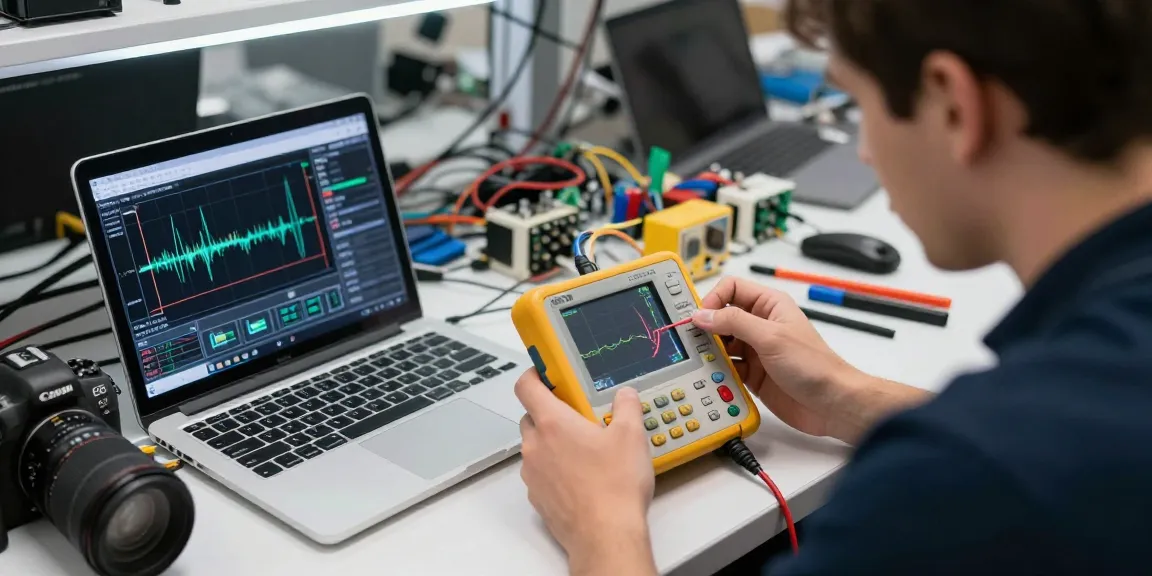
Understanding the Handheld Portable Oscilloscope
In today’s fast-paced technological landscape, the demand for versatile and portable testing equipment has never been higher. Among the variety of tools available, the Handheld Portable Oscilloscope, Portable digital oscilloscope stands out as an essential device for both professionals and hobbyists. This technology enables users to perform complex electronics diagnostics conveniently, making it a vital component in the toolkit of engineers, technicians, and electronics enthusiasts alike.
What Is a Handheld Portable Oscilloscope?
A handheld portable oscilloscope is a compact, battery-operated device designed to measure and display voltage waveforms in electronic circuits. Unlike traditional benchtop oscilloscopes, which require a dedicated workspace, handheld models offer mobility and flexibility, allowing users to conduct measurements in various environments—be it in the field, at home, or in laboratories.
Key Features and Functions Explained
- Dual Functionality: The ability to measure both voltage waveforms and other electrical parameters such as current and resistance makes these devices highly versatile.
- Portability: Compact design and lightweight construction facilitate easy transportation, empowering technicians to perform diagnostics anywhere.
- High Sampling Rates: Most modern handheld oscilloscopes offer fast sampling rates, ensuring accurate waveform representation.
- User-Friendly Interface: Many devices come equipped with a simple interface, often including touchscreen displays that make operation intuitive.
- Memory Storage: Advanced models allow users to capture and store waveforms for later analysis or documentation.
Benefits of Using Portable Digital Oscilloscopes
The advantages of using a handheld digital oscilloscope are numerous. These devices allow for quick troubleshooting of electronic circuits, reducing downtime in critical applications. They also enable field testing, which is essential for automotive diagnostics, repairing electronic devices, or teaching electronics in educational settings. Additionally, due to their compact size, they can easily fit into a toolbox, making them accessible whenever needed.
How to Use the Handheld Portable Oscilloscope Effectively
Step-by-Step Guide to Setup and Configuration
Setting up a handheld portable oscilloscope involves several simple steps:
- Power On: Ensure the device is charged. Press the power button to turn on the oscilloscope.
- Connect Probes: Attach the measurement probes to the input ports. Ensure they are well connected to avoid any signal loss.
- Adjust Oscilloscope Settings: Configure the time base and voltage scale to suit the signal being measured. This step is crucial for obtaining accurate readings.
- Observe Measurements: Once set up, observe the waveform on the display. Make sure the signal is stable; adjust the trigger settings if necessary.
- Store Waveforms: Utilize the memory function to store important waveform data for future reference.
- Maintain Battery: Regularly check the battery status and recharge the device as needed to ensure continuous operation.
Common Measurement Techniques and Applications
Handheld oscilloscopes are employed across various applications, including:
- Electronics Troubleshooting: Quick diagnostics of circuit boards and electronic devices.
- Automotive Diagnostics: Measuring sensor outputs and power supply signals in vehicles.
- Embedded Systems Testing: Debugging microcontroller or FPGA based systems.
- Field Measurements: Performing real-time signal analysis without needing a benchtop setup.
Best Practices for Accurate Signal Analysis
To maximise accuracy and reliability, users should adhere to several best practices:
- Use Proper Probing Techniques: Ensure that probes are adequately calibrated and suited for the voltage levels being measured.
- Minimise Noise: Keep leads short and avoid external electrical interference to improve signal clarity.
- Regular Calibration: Ensure the oscilloscope is regularly calibrated to maintain measurement accuracy over time.
Comparative Analysis: Handheld Oscilloscopes vs Traditional Models
Advantages of Portability in Diagnostic Work
One of the primary benefits of handheld oscilloscopes is their portability. Professionals can carry out diagnostics on-site, which is a significant advantage over benchtop models that require a more fixed setup. This flexibility enables faster response times in troubleshooting scenarios and provides the convenience of performing tests in real-time where issues occur.
Performance Metrics: Comparing Bandwidth and Sampling Rates
While traditional oscilloscopes can offer higher bandwidth and sampling rates, modern handheld models have caught up significantly. For instance, many handheld oscilloscopes now feature bandwidths of 50MHz or more, sufficient for most low to mid-frequency applications. Moreover, sampling rates of 250MSa/s allow for accurate real-time signal rendering, essential for effective troubleshooting.
Use Cases for Each Type of Oscilloscope
Handheld oscilloscopes are ideal for field diagnostics and portable applications, while benchtop models are often preferred for in-depth analysis and complex waveform examination due to their larger displays and more comprehensive analyses capabilities.
Troubleshooting Common Issues with Handheld Oscilloscopes
Identifying and Resolving Common Problems
Common issues with handheld oscilloscopes might include:
- No Waveform Detected: This could be due to a disconnected probe or a low battery. Simply reconnecting the probe or charging the device should resolve the issue.
- Unstable Waveform: If the waveform appears unstable, adjust the trigger settings to stabilise the display.
- Dim Display: A dim display might indicate a low battery or an incorrect brightness setting. Ensure the device is adequately charged and adjust brightness as necessary.
Tips for Maintaining Your Device
To ensure longevity and optimal performance, regular maintenance is crucial:
- Keep it Clean: Regularly clean the casing and screen to avoid dust and debris buildup.
- Store Properly: When not in use, store the oscilloscope in a protective case to avoid physical damage.
When to Seek Professional Help
If problems persist after troubleshooting, or if the device shows signs of internal failure, it is advisable to seek professional repair services to prevent further complications.
Future Trends in Portable Oscilloscope Technology
Innovations Shaping the Future of Electronics Testing
As technology continues to advance, handheld oscilloscopes are expected to integrate more sophisticated features such as enhanced connectivity options, improved user interfaces, and AI-powered analysis tools. Such innovations promise to further enhance the usability and functionality of these essential devices.
The Rise of Smart Oscilloscopes: What to Expect
Next-generation oscilloscopes are likely to feature smart functionalities that allow for automatic waveform analysis and error detection, greatly reducing the time required for diagnostics and improving accuracy in measurements.
Adapting to Industry Changes: What Technicians Need to Know
Technicians must stay abreast of industry trends and innovations to take full advantage of the features offered by modern handheld oscilloscopes. Continuous education and training will be essential in mastering these evolving tools.
What features should I look for in a handheld oscilloscope?
Key features include bandwidth, sampling rate, portability, user-friendly interface, and memory capabilities for waveform storage.
How does a handheld oscilloscope compare to a benchtop model?
While benchtop models typically offer higher performance specifications, handheld oscilloscopes provide unmatched convenience and portability for fieldwork.
Can I use a handheld oscilloscope for automotive diagnostics?
Yes, handheld oscilloscopes are particularly useful for automotive diagnostics, allowing technicians to measure sensor outputs and identify electrical issues on-site.
What maintenance is required for portable oscilloscopes?
Regular cleaning, proper storage, and periodic calibration are essential to maintain performance and accuracy.
What are the best practices for using a handheld oscilloscope?
Best practices include using appropriate probing techniques, minimising interference from external sources, and regularly checking device settings.