Sports
Mastering Sports Broadcasting: Techniques and Trends for Success
Understanding Sports Broadcasting
What is Sports Broadcasting?
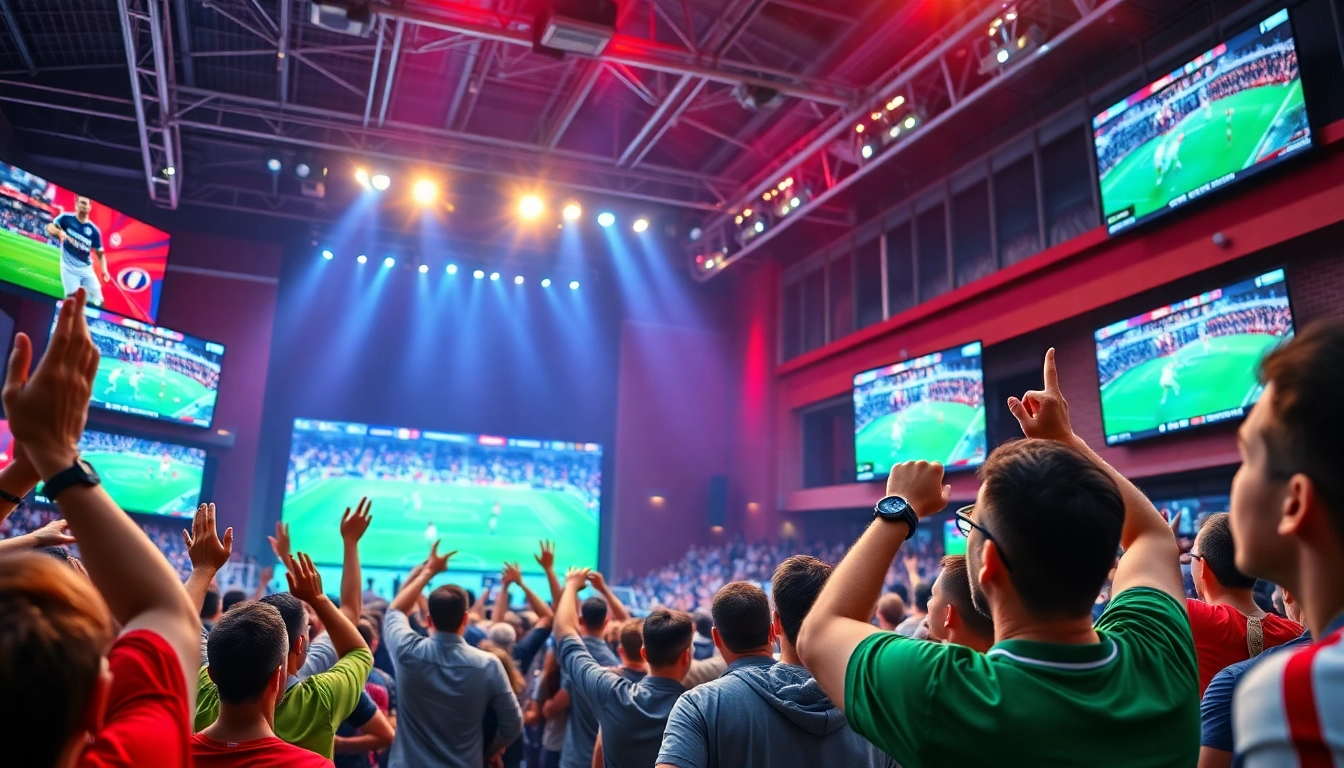
Sports Broadcasting refers to the dissemination of live or recorded sporting events via television, radio, or digital platforms. It serves as a bridge between the sporting world and its fans, providing them with not just the play-by-play action but also analysis, commentary, and emotional engagement surrounding the events. Effective Sports Broadcasting enhances the viewer experience, making them feel like they are part of the action, regardless of their physical location.
History and Evolution of Sports Broadcasting
The origins of sports broadcasting can be traced back to the early 20th century when radio emerged as a dominant medium. The first-ever sports broadcast is believed to have been a baseball game aired live in 1921. Over the decades, the industry has transformed significantly. With the advent of television in the 1950s, viewership skyrocketed, leading to the development of innovative formats and techniques to enhance broadcast quality.
In the late 20th century, sports networks emerged, specializing in 24/7 coverage and analysis. The rise of cable television further diversified content, introducing viewers to a multitude of sports beyond the traditional offerings. In the 21st century, the focus has shifted toward digital platforms. Streaming services and social media have created an on-demand viewing culture, allowing audiences to access live sports from virtually anywhere.
Key Components of Effective Sports Broadcasting
Several crucial elements contribute to successful sports broadcasting. These include:
- Commentary and Analysis: Providing insightful commentary enhances viewer engagement and understanding of the game. Expert analysts break down plays, offer strategic insights, and share anecdotal stories that enrich the viewer’s experience.
- Live Interaction: Many broadcasts now incorporate social media platforms, allowing fans to interact in real time, fostering a closer connection with teams and athletes.
- Production Quality: High-definition visuals, clever camera angles, and immersive sound design play crucial roles in captivating audiences and conveying the excitement of live sports.
- Accessibility: The ability to cater to varying audience demographics, including different languages and educational backgrounds, makes sports broadcasting more inclusive.
Essential Skills for Sports Broadcasters
Communication Skills in Sports Broadcasting
Effective communication is at the heart of successful sports broadcasting. Broadcasters must articulate their thoughts clearly and concisely to ensure audiences can follow the action. This includes not only conveying facts and statistics but also expressing emotions associated with the game. They should be adept at using tone and pace to enhance storytelling, making the broadcast more lively and engaging.
Research and Preparation Techniques
A thorough understanding of the sport, players, and teams is critical. Before a broadcast, sports broadcasters should gather data on player stats, recent performances, and historical context. This preparation allows them to provide informed commentary and anticipate critical moments during the game. Moreover, creating a cheat sheet with key talking points can help broadcasters stay ahead in the fast-paced environment of live sports.
Adapting to Real-Time Situations
Live broadcasting is unpredictable, and the ability to think on one’s feet is vital. Sportscasters must adjust their commentary based on the unfolding events, whether it’s an unexpected play, an injury, or a controversial call. Quick decision-making, coupled with the ability to maintain composure under pressure, is essential for keeping the audience informed and engaged during such scenarios.
Technology Impacting Sports Broadcasting
Role of Broadcasting Equipment
Professional broadcasting relies heavily on advanced equipment like high-definition cameras, sound systems, and broadcasting software. The quality of these tools makes a profound difference in how sports content is delivered to audiences. High-resolution cameras capture every detail, while advanced graphics software enhances the visual presentation, helping to convey crucial statistical information seamlessly.
Innovations in Live Streaming Technology
Live streaming technology has transformed the way audiences consume sports. Fans now enjoy the flexibility to watch events from any device, be it a smartphone, tablet, or smart TV. Innovations like 4K streaming and adaptive bitrate streaming have improved the viewing experience by providing clearer images and uninterrupted playback, even with differing internet bandwidths.
Audience Engagement Tools
To keep fans engaged, broadcasters leverage various digital tools such as interactive polls, augmented reality graphics, and social media integration. These strategies not only enhance viewer retention but also foster community interaction, making the broadcast a two-way experience.
Challenges in Sports Broadcasting
Dealing with Live Errors and Technical Issues
Technical glitches can cause major disruptions during live broadcasts. Whether it’s a dropped feed, audio issues, or equipment failure, broadcasters must be equipped with contingency plans. This may involve having backup systems in place and training teams to quickly troubleshoot problems without detracting from the viewing experience.
Managing Audience Expectations
Today’s audiences have high expectations for sports coverage. They want real-time updates, in-depth analysis, and diverse perspectives. Broadcasters must constantly innovate to meet these demands and cultivate credibility through transparency and reliability, balancing expert opinions with fan sentiments.
Balancing Entertainment and Information
Finding the right balance between entertainment and informational content is critical. Audiences crave insights and analysis but also appreciate entertaining commentary and engaging storytelling. Broadcasters must navigate this tightrope, ensuring their broadcasts remain informative without sacrificing enjoyment.
Future Trends in Sports Broadcasting
The Rise of Virtual Reality and Augmented Reality
Virtual reality (VR) and augmented reality (AR) are poised to revolutionize sports broadcasting by offering immersive viewing experiences. VR allows fans to feel as if they are present at the event, while AR can overlay statistics and information in real-time during broadcasts, enriching the overall viewer experience.
The Impact of Social Media on Sports Broadcasting
Social media has become a vital tool for engaging audiences and promoting sports broadcasts. Many networks use platforms like Twitter and Instagram to share highlights and engage users through interactive content. This trend is expected to grow, as more fans look for ways to actively participate in their favorite sports.
Trends in Sports Broadcasting Rights and Accessibility
As viewer preferences evolve, sports broadcasting rights are also changing. Streaming services are bidding for exclusive rights to major sports leagues, allowing them to reach broader audiences. The focus will likely be on providing accessible, flexible viewing options that cater to the demands of younger viewers, who prefer on-demand content rather than traditional broadcasting schedules.
FAQs
What skills are essential for a sports broadcaster?
A sports broadcaster should excel in communication, research, and adaptability, ensuring they can engage audiences and provide accurate information under pressure.
How has technology changed sports broadcasting?
Technology has improved the quality and accessibility of sports broadcasts, allowing for live streaming, enhanced graphics, and interactive audience experiences nearly anywhere.
What challenges do sports broadcasters face?
Key challenges include handling live errors, meeting audience expectations, and maintaining a balance between providing information and entertainment during broadcasts.
How will VR affect the future of sports broadcasting?
Virtual reality is poised to revolutionize sports broadcasting by offering immersive viewing experiences, bringing fans closer to the action than ever before.
Why is research important in sports broadcasting?
Research is crucial for providing detailed insights and background information, enhancing the broadcast’s credibility and enriching the viewers’ experience.