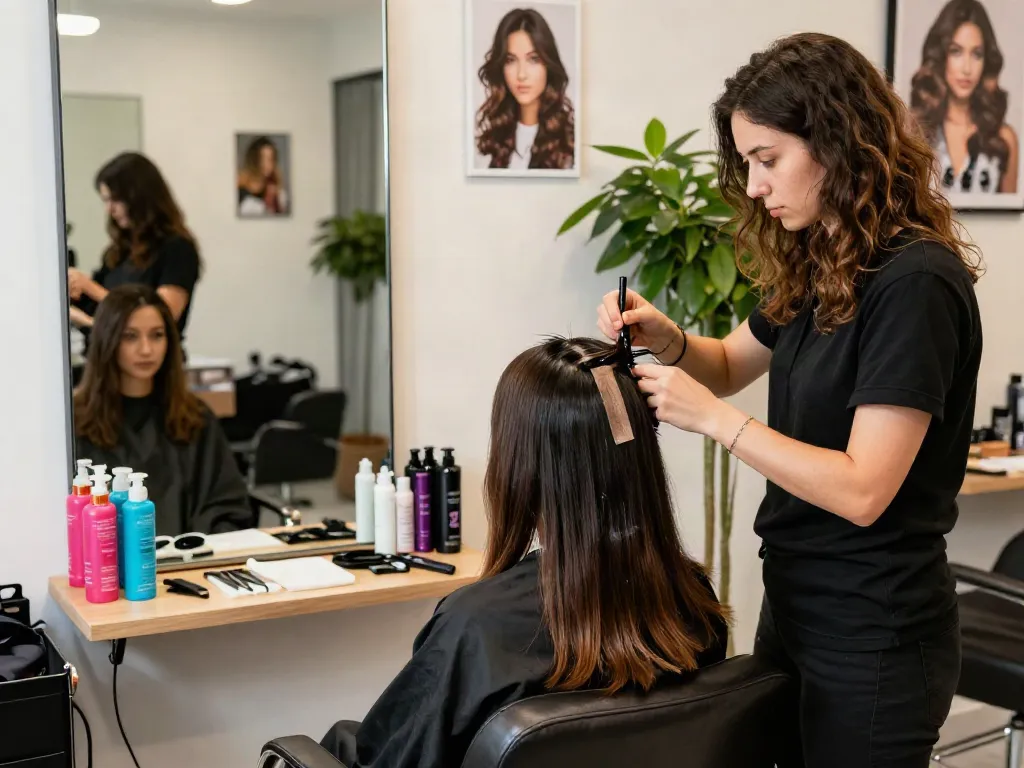
Understanding Tape Extensions for Thin Hair
Tape extensions have become increasingly popular among individuals with fine or thinning hair, and for good reason. These extensions can provide the much-desired volume and length, enhancing one's natural beauty without the need for extensive styling tools or techniques. As we explore the world of tape extensions for thin hair, it's crucial to truly understand what they are, their benefits, and how to choose the right type for your specific needs.
What Are Tape Extensions?
Tape extensions are semi-permanent hair extensions that consist of wefts of hair attached to adhesive strips. These strips are typically made of medical-grade tape, which allows for easy application and removal without damaging the natural hair. They can be applied in a way that mimics the natural growth of hair, making them a favorite amongst those looking for a subtle enhancement. As a result, they are particularly suitable for individuals with fine hair, providing a seamless look that blends beautifully with the wearer’s natural hair.
The Benefits of Tape Extensions for Fine Hair
Choosing tape extensions specifically designed for fine hair can lead to many advantages:
- Lightweight Design: Tape extensions are generally lighter compared to other types of extensions, ensuring that they won't weigh down your natural hair, which is crucial for those with thin strands.
- Natural Appearance: They are designed to lay flat against the scalp, providing a natural look that blends with fine hair textures effortlessly.
- Easy Application: Typically easy to apply, tape extensions can be installed by professionals or even at home for more experienced users.
- Reusability: With proper care, tape extensions can be reused multiple times, making them a cost-effective option for those who wish to maintain a fuller hairstyle.
When exploring options, tape extensions for thin hair provide comprehensive insights and choices tailored for this specific hair type, which is essential for achieving the best results.
Common Myths About Tape Extensions
Despite their popularity, there are several misconceptions surrounding tape extensions:
- Myth 1: They Damaged Hair: Many believe that tape extensions can damage natural hair. While improper application can lead to issues, when installed and maintained correctly, they are safe for fine hair.
- Myth 2: They Are Not Suitable for Short Hair: Tape extensions can actually be used on shorter hair; however, the technique may require more skill to ensure a seamless blend.
- Myth 3: Only for Length: Tape extensions can also add volume, making them an ideal choice for those looking to enhance fullness without significant length alteration.
Choosing the Right Tape Extensions for Thin Hair
Types of Tape Extensions Available
Several types of tape extensions cater specifically to different hair needs. Here are some popular options:
- Invisible Tape Extensions: These extensions feature a virtually undetectable tape that lays flat against the scalp, making them perfect for fine hair.
- Double-Sided Tape Extensions: Providing extra security, these are ideal for individuals who require longer wear sessions.
- Colored Tape Extensions: Available in various shades, these extensions allow for creative styling without causing any damage to your natural hair.
Key Characteristics to Look For
When selecting tape extensions for thin hair, consider the following characteristics:
- Hair Quality: Look for 100% Remy human hair extensions, which retain the hair cuticles intact, ensuring a natural look and feel.
- Weight: Opt for lighter extensions to prevent unnecessary stress on fine strands.
- Adhesive Quality: High-grade medical adhesive ensures the extensions hold securely without damaging natural hair during removal.
How Color Matching Works
Choosing the right color for your tape extensions is crucial for achieving a natural look. Consider the following tips:
- Consultation: Seek professional advice if you're unsure about the best shade for your hair type.
- Strand Testing: Always test a small section of hair before committing to a particular shade.
- Blending Techniques: For a more natural transition, consider using highlights or ombre shades that closely match your natural hair color.
Application and Maintenance of Tape Extensions
Professional vs. DIY Installation
While many choose to install their tape extensions at home, hiring a professional can often yield the best results, especially for beginners. Professionals have the training and experience to ensure proper placement and avoid any potential issues. If you decide to go the DIY route, it's essential to follow a detailed guide to ensure correct application.
Step-by-Step Application Process
Here’s a simplified overview of how tape extensions are applied:
- Preparation: Start with clean, dry hair. Avoid products like oils or conditioners that can interfere with adhesive.
- Sectioning: Divide hair into manageable sections, securing the upper layers out of the way.
- Placement: Take the tape extension, peel back the adhesive, and apply it close to the scalp, sandwiching it between two sections of natural hair.
- Securing: Use a flat iron or a bonding tool to ensure the adhesive sticks thoroughly.
- Final Touches: Style the hair as desired to blend natural hair with extensions.
Maintenance Tips for Longevity
To ensure the longevity of your tape extensions, follow these care guidelines:
- Gentle Washing: Use sulfate-free shampoos and conditioners to keep both your natural hair and the extensions healthy.
- Avoid Rough Towel Drying: Pat dry instead of rubbing to prevent tangling or loosening the extensions.
- Regular Check-ups: Visit your stylist every 6-8 weeks for maintenance to reposition or replace extensions as needed.
Potential Challenges with Tape Extensions
Are Tape Extensions Safe for Thin Hair?
Tape extensions are generally safe for thin hair when applied and managed correctly. However, it's vital to follow recommended guidelines and consult with a professional stylist to minimize any risks.
Dealing with Hair Damage Concerns
Transformations with tape extensions can lead to concerns about potential hair damage. To mitigate this:
- Regular Breaks: Allow your natural hair to rest between applications to promote healthy growth and recovery.
- Moisture Maintenance: Keep your hair hydrated with deep conditioning treatments to maintain its strength.
Managing Expectations: What Results to Anticipate
When opting for tape extensions, it’s essential to manage expectations regarding the results:
- Volume vs. Length: Depending on the type of extensions chosen, results may vary in terms of volume versus added length.
- Seamless Blending: Achieving the perfect blend may take practice and experimentation with different techniques and colors.
Future Trends in Hair Extensions for Thin Hair (2026)
Innovative Materials and Techniques on the Horizon
As technology advances, the hair extension industry is likely to witness the emergence of new materials and techniques that cater specifically to fine hair types. Innovative adhesives and lightweight fibers will enhance comfort and durability.
The Rise of Eco-Friendly Extensions
With a growing focus on sustainability, we can expect to see an increase in eco-friendly hair extensions that use ethically sourced materials, minimizing environmental impact while maintaining high quality.
Expert Predictions and Tips for 2026
Experts predict that the market will diversify with more customized options for consumers, including personalized color matching and texture blending. Keeping up with these trends will help users choose extensions that not only elevate their hairstyle but also align with their values.
Are tape-in extensions good for fine, thin hair?
Yes, tape-in extensions can be a great option for fine, thin hair when chosen and applied correctly. They provide volume and length while maintaining a natural appearance.
Which type of extensions are best for thin, fine hair?
Invisible tape extensions and lightweight wefts are often recommended for individuals with fine hair, as they blend seamlessly and reduce the risk of damage.
What is one disadvantage of tape in hair extensions?
One potential disadvantage is that if not applied or maintained properly, they can cause damage to your natural hair, leading to breakage or thinning.
What are the best tape-in hair extensions for fine, thin hair?
The best tape-in hair extensions are made from high-quality human hair and feature lightweight, invisible tape to provide a natural look.
How to properly care for tape extensions?
To care for tape extensions, use gentle, sulfate-free products, avoid heat damage, and schedule regular professional maintenance appointments to ensure they remain in optimal condition.