Introduction to Thermal Imaging Technology
Thermal imaging technology has revolutionized various industries by providing a non-invasive method to visualize heat emissions from objects. This innovative technology is particularly useful for inspecting electrical systems, building conditions, and even in medical diagnostics. Unlike traditional imaging techniques that rely on visible light, thermal cameras detect infrared radiation—essentially capturing temperature variations that are invisible to the naked eye. Understanding how thermal imaging works is crucial for professionals seeking to leverage this powerful tool in their respective fields.
What is Thermal Imaging?
Thermal imaging is the process of using a thermal camera to capture the infrared radiation emitted by objects. All objects, regardless of their temperature, emit infrared radiation. Thermal cameras translate this infrared radiation into electronic signals, which then create a visual representation of the object’s temperature. The result is a thermal image that utilizes varying colors to indicate different temperature ranges.
Historical Development of Thermal Imaging
The origins of thermal imaging date back to the early 20th century, primarily driven by military applications during World War II. Initially used for night vision, the technology evolved with advances in sensor technology and materials, making it more accessible for civilian applications. By the late 20th century, thermal imaging had found roles in building inspections, automotive diagnostics, and healthcare, becoming an essential tool for many industries.
Importance of Thermal Imaging in Various Industries
Thermal imaging has become indispensable across various sectors. In the electrical industry, it helps identify hot spots that could indicate potential failures. In construction, it assists in detecting insulation defects and moisture ingress. Healthcare professionals utilize thermal imaging for early detection of medical conditions. The versatility of thermal imaging tools is evident, making them invaluable for maintenance and diagnostic functions.
How Thermal Imaging Works: The Science Behind It
Understanding the science behind thermal imaging is critical for effective utilization of the technology. The foundation of thermal imaging lies in the principles of infrared radiation detection, camera components, and sensor functionality.
Principles of Infrared Radiation Detection
Infrared radiation is energy emitted by an object based on its temperature. The higher the temperature, the more infrared radiation it emits. Thermal cameras detect this radiation through specialized infrared sensors, converting it into temperature readings and thermal images. This process allows users to visualize heat patterns that would otherwise remain hidden.
Components of Thermal Imaging Cameras
Thermal imaging cameras consist of several crucial components that work in tandem to produce thermal images. Key components include:
- Infrared Sensor: Captures infrared radiation and converts it to an electrical signal.
- Optics: Focuses incoming thermal energy onto the sensor.
- Processor: Converts the electrical signal into a thermal image.
- Display: Shows the thermal images and temperature data.
Understanding Thermal Sensitivity and Resolution
Thermal sensitivity refers to a camera’s ability to detect slight temperature differences. A camera with a sensitivity of ≤60 mK can identify temperature changes as small as 0.06 degrees Celsius, making it suitable for precise inspections. Resolution, measured in pixels, indicates the level of detail in the thermal image. Higher resolution leads to clearer images, enabling users to identify issues with greater accuracy.
Applications of Thermal Imaging
The applications of thermal imaging are vast and varied, impacting numerous fields significantly. Understanding these applications helps users select the right thermal camera for their needs.
Electrical and Mechanical Inspections
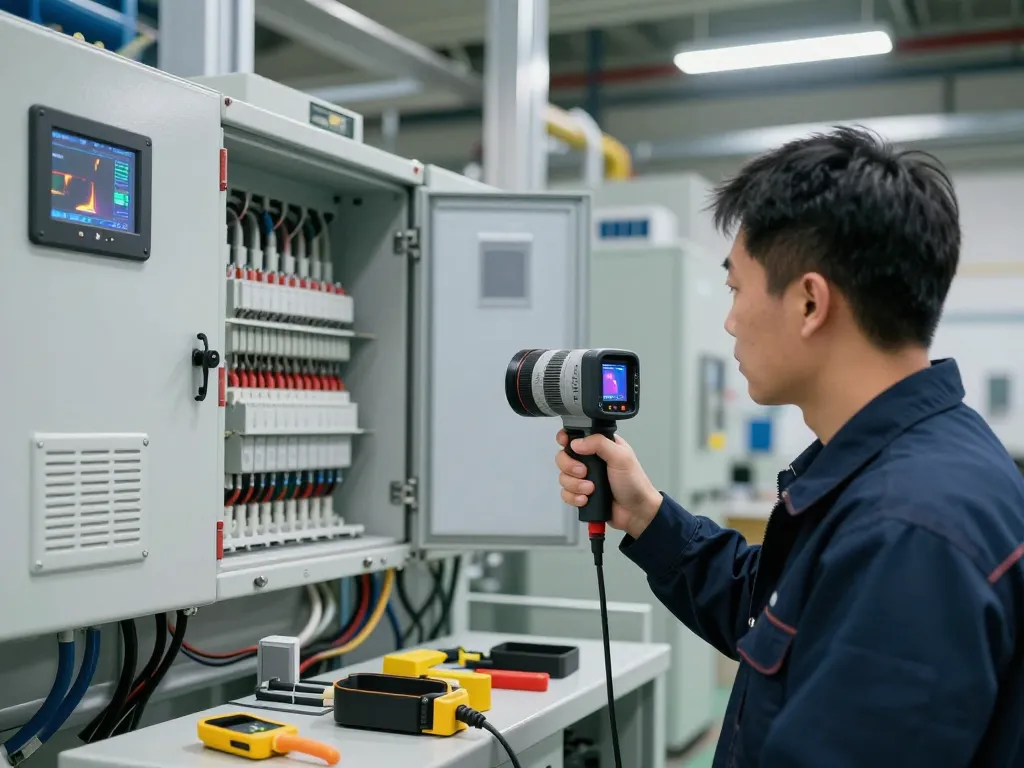
In electrical inspections, thermal imaging identifies overheating components that could lead to system failures. For mechanical inspections, the technology helps detect issues such as misalignments or lubrication failures before they cause equipment breakdowns, saving time and resources during maintenance.
Building Diagnostics and Energy Audits
Thermal imaging is pivotal in building diagnostics. It can uncover insulation deficiencies, air leakage points, and moisture problems that are not visible during traditional inspections. This technology is crucial for energy audits, as it helps identify areas where energy is being wasted, allowing for targeted improvements.
Healthcare Applications: Biomedical Uses
In healthcare, thermal imaging is used for detecting abnormal temperature variations in the human body, aiding in the diagnosis of conditions such as inflammation or circulatory issues. Its non-invasive nature makes it a valuable tool in medical diagnostics, allowing for quick assessments without the need for radiation exposure.
Best Practices for Using Thermal Imaging Cameras
To maximize the effectiveness of thermal imaging cameras, users should adhere to best practices that enhance image quality and interpretation accuracy.
Choosing the Right Thermal Camera for Your Needs
Selecting a thermal camera involves considering several factors, including thermal sensitivity, resolution, and intended applications. For instance, professionals conducting building inspections may prioritize high resolution and sensitivity to detect minor temperature variations.
Calibration and Maintenance Tips
Regular calibration is essential for ensuring accurate temperature readings. Users should follow manufacturer guidelines for calibration frequency and procedures. Additionally, routine cleaning and maintenance of lens and sensors will prolong camera life and maintain image quality.
Analyzing Thermal Images for Effective Decision Making
Interpreting thermal images requires understanding thermal patterns and color schemes. Users should familiarize themselves with the specific color palettes offered by their thermal cameras, as different colors represent varying temperature ranges. Proper analysis leads to informed decision-making and effective troubleshooting.
Future Trends in Thermal Imaging: What to Expect in 2026
The future of thermal imaging is bright, with several trends on the horizon that promise to enhance functionality and accessibility.
Advancements in Camera Technology and Features
In 2026, expect to see further advancements in camera technology, including increased resolution and improved thermal sensitivity. Enhanced features, such as real-time analysis and advanced software integration, will provide users with more powerful tools for detecting and diagnosing issues.
Integration with AI and Data Analysis Tools
The integration of artificial intelligence and machine learning with thermal imaging cameras will facilitate automated analysis, helping users quickly identify and prioritize issues. Such advancements will streamline workflows in industries dependent on thermal imaging.
Environmental and Regulatory Considerations
As technology evolves, so do the regulations surrounding the use of thermal imaging. Future trends will likely include stricter compliance requirements in certain industries, necessitating better documentation and reporting practices for thermal inspections.
What are the limitations of thermal imaging?
While thermal imaging is a powerful tool, it does have limitations. For instance, it cannot “see” through walls, as it detects surface temperatures rather than internal structures. Additionally, thermal cameras require a temperature differential to function effectively, meaning they are less useful in environments where temperatures are uniform.
Can thermal imaging be used for fire detection?
Yes, thermal imaging cameras can be invaluable for fire detection. They can identify hotspots before a fire breaks out, offering a proactive approach to fire prevention. By detecting abnormal heat patterns, these cameras enable quicker responses to potential fire hazards.
How do I select the best thermal camera for my applications?
Choosing the right thermal camera involves assessing your specific needs. Consider factors like the camera’s resolution, thermal sensitivity, and whether you need features like image recording or analysis software. Researching and comparing different models can also help ensure you select the best tool for your applications.
Are there safety concerns with thermal imaging?
Thermal imaging is generally safe, as it does not emit radiation. However, it is essential to follow manufacturer guidelines and operating procedures to ensure safe handling and maintenance of thermal cameras.
How is thermal imaging used in building inspections?
In building inspections, thermal imaging is used to identify issues such as insulation defects, moisture intrusions, and air leaks. By visualizing temperature variations, inspectors can pinpoint areas needing repair or improvement, making thermal imaging a crucial tool in maintaining energy efficiency and structural integrity.