Understanding Brick Pavers and Their Benefits
Brick pavers are more than just functional materials for outdoor spaces; they are a canvas for creativity and innovation in landscape design. These durable elements present an opportunity to elevate your outdoor aesthetic while providing strength and longevity. In a world where outdoor living has become an extension of your home, the choice of brick pavers near me is essential for transforming your backyard into a sophisticated outdoor retreat.
What Are Brick Pavers?
Brick pavers are small, rectangular bricks made from clay or concrete that are used to create paved surfaces in outdoor settings. Unlike traditional poured concrete, these individual units provide flexibility in design and installation. Often available in various colors, sizes, and textures, they allow homeowners to customize their outdoor spaces to reflect their personal style.
Advantages of Choosing Brick Pavers Near Me
Opting for brick pavers offers numerous benefits that can enhance both the aesthetic and functional aspects of an outdoor area:
- Durability: Brick pavers are known for their strength and ability to withstand harsh weather conditions, making them a long-lasting choice.
- Low Maintenance: They require minimal upkeep, as they are resistant to stains and do not crack like other paving materials.
- Variety: The wide range of styles and colors ensures that there is a perfect match for every home’s exterior.
- Eco-Friendly: Many brick pavers are made from recycled materials, contributing to sustainable building practices.
Common Uses for Brick Pavers in Outdoor Spaces
Brick pavers can be utilized in various ways to enhance outdoor living areas, including:
- Patios: Creating a cozy outdoor space for gatherings and relaxation.
- Walkways: Providing attractive pathways that guide guests through gardens or landscapes.
- Driveways: Offering a welcoming entrance that is both stylish and functional.
- Retaining Walls: Supporting garden beds while adding aesthetic value.
Identifying Quality Brick Pavers
When selecting brick pavers, it’s crucial to pinpoint options that offer both durability and visual appeal. Here are some aspects to consider:
How to Assess Durability and Aesthetics
Quality brick pavers should be evaluated based on several criteria. Look for:
- Material Composition: High-quality pavers are often made from solid clay or concrete, ensuring longevity.
- Color Retention: The ability of pavers to resist fading over time is a key factor in maintaining their visual impact.
- Texture: Choose pavers with a textured finish for better grip and slip resistance, particularly in wet conditions.
Eco-Friendly Options and Innovations
As environmental awareness continues to grow, many manufacturers are producing eco-friendly brick pavers. These options often include:
- Recycled Materials: Some pavers incorporate recycled waste products, reducing the environmental footprint.
- Sustainable Manufacturing: Techniques that minimize energy usage and waste during production.
- Permeable Pavers: Designed to allow water infiltration, helping to reduce run-off and promote groundwater recharge.
Choosing the Right Material for Your Project
Choosing the appropriate material for your brick pavers involves considering your local climate and intended use. For instance, if you live in an area with freezing temperatures, opt for clay pavers that are less porous and resistant to frost. Alternatively, concrete pavers may be more suited to high-traffic areas due to their superior load-bearing capacity.
Finding Local Suppliers and Installers
Finding the right suppliers and installers is paramount in ensuring a successful brick paver project. Here’s how to navigate this process:
Search Strategies for Brick Pavers Near Me
To locate reliable suppliers near you, consider the following strategies:
- Online Searches: Use search engines with specific keywords such as “brick pavers near me” to find local options.
- Local Directories: Check community business directories and listings for reputable contractors.
- Referrals: Ask friends or family for recommendations based on their experiences.
Evaluating Local Providers: Key Questions to Ask
When interviewing potential suppliers and installers, ask questions that help gauge their expertise:
- What materials do they recommend based on your project needs?
- Can they provide references from past clients?
- What warranties do they offer on their work and materials?
- What is the estimated timeline for your project?
Understanding Installation Costs and Services
Cost is a significant factor when planning your brick paver project. Installation expenses can vary based on the complexity of the design, materials chosen, and labor involved. It’s essential to obtain multiple quotes and understand what each estimate includes. Look for detailed breakdowns that cover:
- Material costs
- Labor rates
- Site preparation fees
- Any additional features, like sealing or edging
Designing Your Outdoor Space with Brick Pavers
Transforming your outdoor space into a cohesive and inviting area can be achieved through thoughtful design using brick pavers. Here’s how to maximize your creativity:
Creating Functional and Stylish Patios
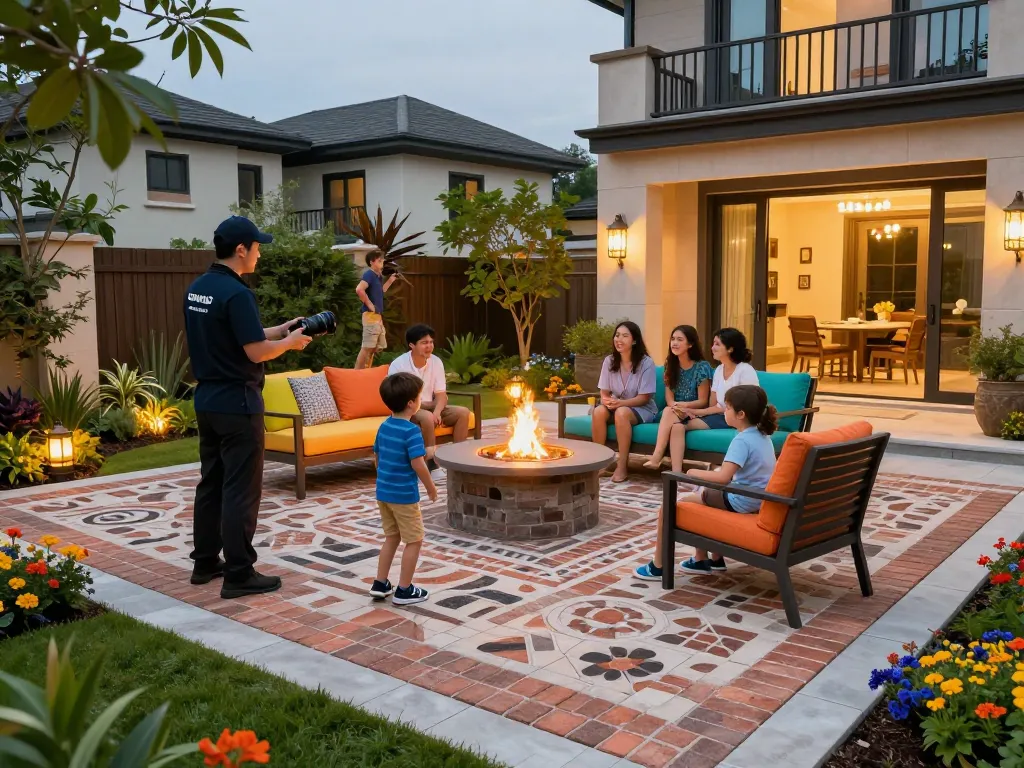
Your patio serves as an outdoor living room, so it should reflect comfort and style. Consider the following elements:
- Layout: Determine a layout that accommodates furniture and traffic flow.
- Color Palette: Choose pavers that complement your home’s exterior and landscaping.
- Focal Points: Incorporate features such as fire pits or seating walls to create visual interest.
Incorporating Walkways and Driveways into Your Design
Effective use of walkways and driveways not only enhances functionality but also adds charm to your property:
- Path Design: Curved paths can soften the landscape and create a welcoming entrance.
- Driveway Considerations: Use larger pavers in driveways for better load distribution and visual appeal.
- Connection to Gardens: Ensure that walkways provide easy access to key areas of your garden.
Enhancing Your Space with Additional Features
To elevate your outdoor experience, consider adding unique features such as:
- Outdoor Kitchens: Integrate cooking spaces with pavers for a seamless look.
- Water Features: Pavers can frame ponds or fountains, making them stand out.
- Lighting: Incorporate outdoor lighting along paths and patios for safety and ambiance.
Maintenance and Care for Brick Paved Areas
Maintaining your brick paved areas is vital for ensuring their longevity. Here are best practices:
Best Practices for Cleaning and Upkeep
Regular maintenance will keep your brick pavers looking their best. Consider these tips:
- Routine Cleaning: Sweep and wash your pavers regularly to prevent dirt and algae buildup.
- Sealing: Apply a sealer every few years to protect against stains and fading.
- Weed Control: Use polymeric sand in the joints to deter weed growth.
Repairing Common Issues with Brick Pavers
Over time, even high-quality brick pavers may experience wear. Here’s how to address common issues:
- Replacing Damaged Pavers: If a paver is cracked or chipped, it should be removed and replaced promptly.
- Leveling Uneven Areas: Resetting pavers can help maintain a flat surface and prevent tripping hazards.
- Joint Maintenance: Replenishing joint material can prevent shifting and prolong the life of your paved surfaces.
Future Trends in Outdoor Hardscaping for 2026
As we move further into 2026, the outdoor hardscaping landscape is poised to evolve. Expect to see:
- Increased Focus on Sustainability: More homeowners will seek eco-friendly materials and installation techniques.
- Smart Outdoor Solutions: Incorporation of technology for lighting and irrigation management.
- Versatile Designs: A trend towards multifunctional outdoor spaces that cater to various activities and gatherings.
What is the average cost of brick pavers?
On average, brick pavers can range from $4 to $15 per square foot, depending on the material and design complexity. Installation costs may add an additional $10 to $17 per square foot, so budgeting appropriately is essential.
How do I choose the right style of brick pavers?
Selecting the right style involves considering the aesthetic of your home, the function of the space, and the overall landscape design. Browse catalogs and consider visiting showrooms for a tactile experience.
Can I install brick pavers myself?
While installing brick pavers can be a rewarding DIY project, it requires careful planning and the right tools. For complex designs, hiring a professional can ensure proper installation and longevity of the project.
What are the environmental benefits of brick pavers?
Brick pavers provide environmental benefits as they can be made from recycled materials and help manage stormwater runoff through permeable designs, contributing to sustainable landscaping practices.
How do I maintain my brick paver patio?
Regular maintenance includes cleaning, sealing, and checking for weeds or uneven pavers. These practices will prolong the life of your patio and keep it looking great.