Understanding the rm1.to Login Process
Accessing your online accounts has never been easier or more vital in today’s digital landscape. The rm1.to login page is designed specifically for users of RussianMarket, providing a secure entry point to manage accounts efficiently. With increasing online transactions and digital interactions, knowing how to navigate login processes is essential for safeguarding your information and accessing services seamlessly.
What is rm1.to and Its Significance?
rm1.to is an integral part of the RussianMarket ecosystem, designed to facilitate user access to various features and functionalities of the platform. It serves as a secure login gateway enabling users to manage their accounts effectively. The significance of rm1.to lies not just in providing access; it ensures that users can perform transactions, access customer support, and utilize an array of services that RussianMarket offers, all while maintaining stringent security protocols.
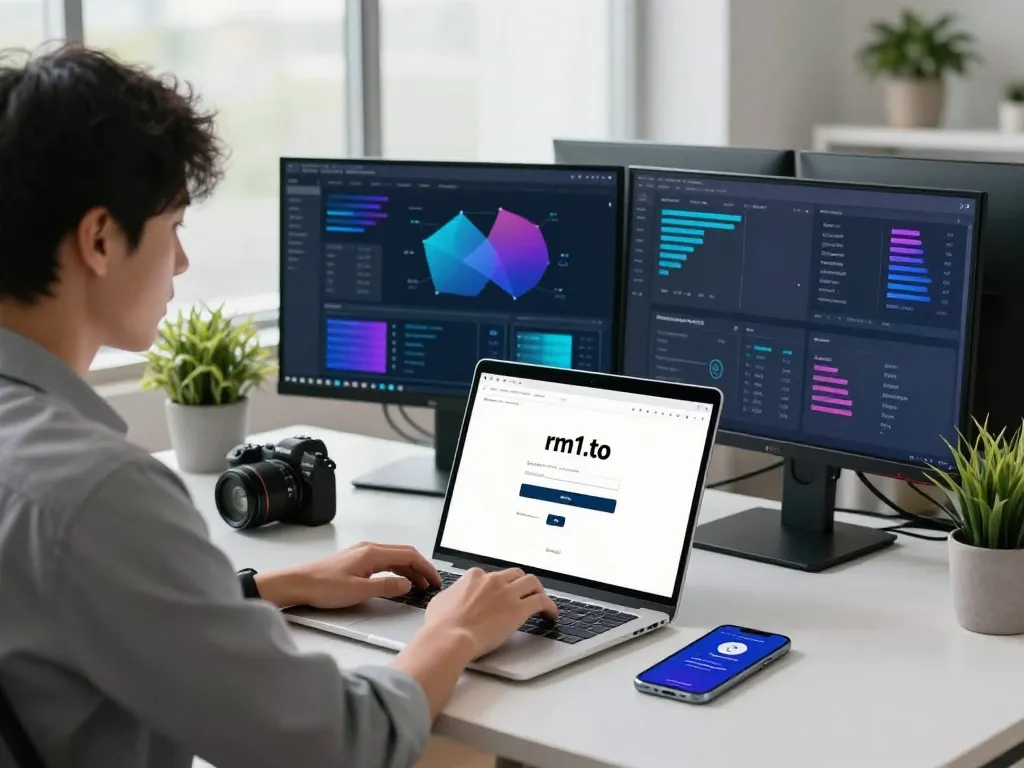
Step-by-Step Guide to Logging into Your Account
- Visit the Correct URL: Always begin by going to the official rm1.to login page to avoid phishing attempts.
- Enter Your Credentials: Input your username and password in the designated fields.
- Two-Factor Authentication: If enabled, complete the second step of authentication using a verification code sent to your registered device.
- Access Your Dashboard: Once logged in, you will be directed to your user dashboard, where you can manage account settings, view transactions, and more.
Common Issues and Troubleshooting Tips
While the login process is straightforward, users may occasionally encounter issues. Here are some common problems and their solutions:
- Forgotten Password: Use the password recovery option to reset your password by following the email link sent to your registered address.
- Account Locked: If your account is locked after multiple failed login attempts, contact customer support for assistance.
- Login Page Not Loading: Check your internet connection and try clearing your browser’s cache to resolve loading issues.
Enhancing Security for Your rm1.to Account
As we continue to engage more with digital platforms, enhancing security for online accounts is paramount. The rm1.to platform prioritizes user security, and implementing best practices can further protect your account from unauthorized access.
Importance of Strong Passwords and Two-Factor Authentication
Using strong, unique passwords is essential in safeguarding your rm1.to account. Combine uppercase, lowercase, numbers, and special characters to create a robust password. Additionally, enabling two-factor authentication adds an extra layer of security, requiring not just your password but also a secondary code that you receive on your registered mobile device.
Recognizing Phishing Attempts on the Login Page
Phishing attacks often begin with fake login pages that mimic genuine websites. Always verify the URL in your browser’s address bar before entering any credentials. Look for signs of secure connections, such as HTTPS and padlocks in the URL. If something feels off, do not proceed and report the site immediately.
Regularly Updating Security Settings for Enhanced Protection
Periodically reviewing and updating your security settings can help safeguard your account. This includes changing passwords every few months, reviewing authorized devices, and ensuring your recovery email is up-to-date.
User Dashboard Overview After rm1.to Login
Your user dashboard is your command center after successfully logging into rm1.to. Understanding how to navigate your dashboard effectively can significantly enhance your user experience.
Navigating Your Account Dashboard Effectively
Upon logging in, familiarize yourself with the dashboard layout. Key features typically include account management options, transaction history, and notifications. Take advantage of the search feature to quickly find information.
Utilizing Dashboard Features for Optimal Usage
- Account Management: Update your personal information and security settings directly from the dashboard.
- Transaction History: Monitor your transactions to keep track of spending and identify any unauthorized activities.
- Support Access: Use built-in customer support options for assistance with any issues you may encounter.
Accessing Customer Support from the Dashboard
Should you need help, your dashboard provides easy access to customer support. You can often find FAQs, live chat options, or submit tickets for more specific inquiries directly from this interface.
Best Practices for Maintaining Account Health
Maintaining the health of your rm1.to account is critical for uninterrupted access and security. Here are some best practices to ensure your account remains in good standing.
Monitoring Account Activity Regularly
Regularly monitoring your account activity helps you catch any suspicious behavior early. Check your transaction history frequently and report any unauthorized charges immediately.
Implementing Account Recovery Options
Ensure you set up recovery options during your account setup. This typically includes security questions and recovery emails to assist in regaining access if you forget your password.
Keeping Your Login Credentials Secure
Protect your login credentials by avoiding sharing them with others and using password managers to store complex passwords safely. Consider changing your passwords regularly to bolster your account’s security.
Future Trends and Predictions for Online Login Security in 2026
As technology evolves, so do the methods for securing online accounts. Understanding potential future trends in this area can help users stay ahead of security threats.
Emerging Technologies in Digital Security
Future login processes may incorporate biometric authentication methods, like fingerprint scanning and facial recognition, which offer enhanced security and ease of access.
The Role of AI in Enhancing User Authentication
Artificial Intelligence (AI) is playing an increasingly vital role in user authentication. With advanced algorithms, AI can monitor user behavior and detect anomalies, signaling potential security breaches before they become a problem.
Preparing for Upcoming Changes in Online Security Protocols
Users should stay informed about updates in online security protocols, particularly as regulations and standards evolve. Being proactive ensures you remain compliant and secure.
What are the Most Common Security Questions?
Common security questions often include inquiries about your first pet’s name or the street you grew up on. Choose questions that are memorable but not easily guessed by others.
How Can I Reset My rm1.to Password?
If you need to reset your password for rm1.to, follow the instructions on the login page’s password recovery section. Be sure to check your email for a reset link shortly after you initiate the process.
What Should I Do If I Cannot Access My Account?
In the event that you cannot access your account, follow the recovery options provided on the login page. If you continue to experience difficulties, reach out to customer support for personalized assistance.
How Can I Ensure I’m on the Official rm1.to Login Page?
To ensure you’re on the official rm1.to login page, always check that the URL starts with https://rm1.to, and look for the security padlock symbol in the address bar of your browser.
Are There Alternatives to rm1.to for Account Management?
While rm1.to is the primary login platform for RussianMarket, alternatives may exist for specific functionalities. However, it’s essential to use only verified platforms for your transactions to prevent security risks.
How Often Should I Change My Password for Security?
As a best practice, consider changing your password every three to six months to maintain optimal security levels. Frequent changes reduce the risk of unauthorized access to your account.