
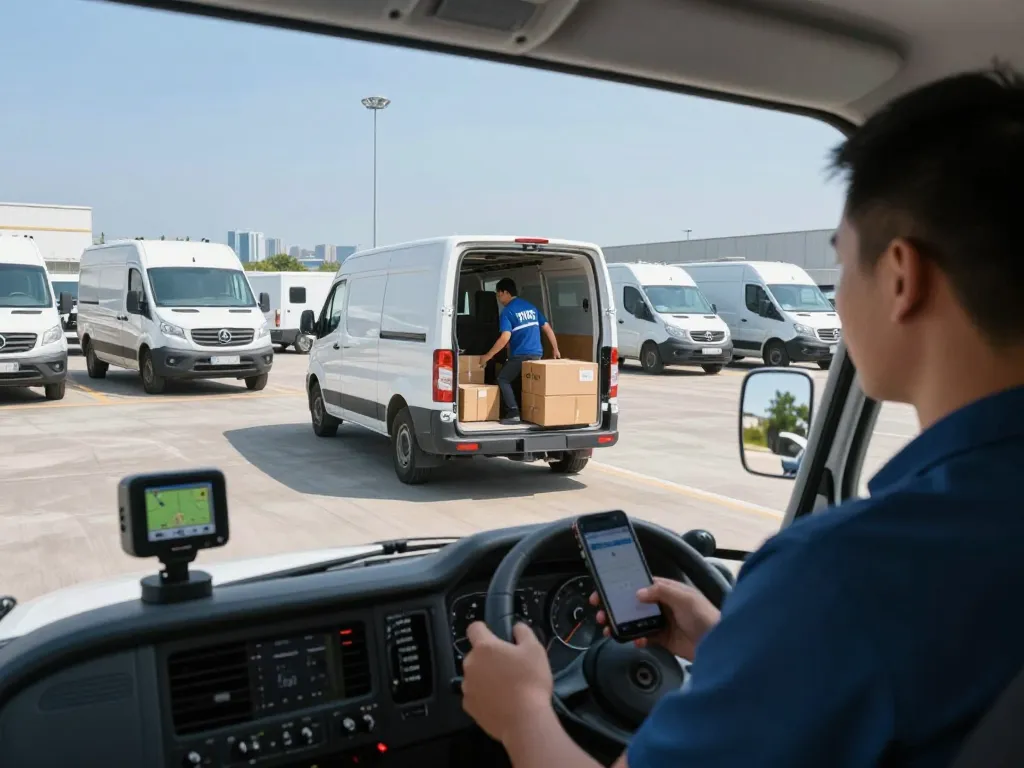
Understanding Time Critical Logistics
In today’s fast-paced business environment, the demand for speed and efficiency in logistics is crucial. Time critical logistics refers to the services that prioritize fast delivery and expedited operations, ensuring that urgent shipments reach their destinations without delay. This type of logistics is particularly vital for industries that rely on timely transportation of goods, such as healthcare, manufacturing, and technology. For businesses seeking reliable solutions, Time critical transport companies like Bennison Transport emerge as key players in maintaining operational continuity and customer satisfaction.
What is Time Critical Transport?
Time critical transport is designed to meet the urgent delivery needs of clients when standard delivery options are insufficient. This service typically involves expedited shipping methods that enable collections and deliveries to occur within hours. Time critical transport providers like Bennison Transport utilize a range of vehicles to accommodate various loads, ensuring that businesses can transport essential goods, machinery, or sensitive items on short notice.
The Importance of Speed in Logistics
Speed in logistics is not just about moving goods from point A to point B; it encompasses the entire supply chain process. With the rise of e-commerce and global trade, businesses are under pressure to deliver products faster than ever. Delays can lead to lost revenue, dissatisfied customers, and reputational damage. Time critical logistics helps mitigate these risks by ensuring swift operations, which are crucial for:
- Minimizing Downtime: For industries like manufacturing where machinery breakdowns can halt production, fast transport of replacement parts is vital.
- Enhancing Customer Experience: Prompt deliveries improve client satisfaction, fostering long-term loyalty.
- Maintaining Competitive Advantage: Businesses that can guarantee rapid delivery often outperform competitors.
Key Industries That Require Time Critical Services
Several sectors rely heavily on time critical logistics due to the nature of their operations:
- Healthcare: The timely delivery of medical supplies and equipment is essential for patient care.
- Aerospace: The need for precision and speed is critical, especially when transporting aircraft parts.
- Automotive: Just-in-time manufacturing processes require rapid delivery of components to keep production schedules on track.
- Technology: The fast-paced world of electronics often necessitates urgent transport of devices and components.
Operational Excellence in Time Critical Transport
To successfully provide time critical logistics, companies like Bennison Transport operate around the clock, ensuring that customer needs are met at any time. This commitment to operational excellence involves a range of strategies and tools designed to enhance efficiency and reliability.
24/7 Operations: Meeting Client Expectations
Time critical transport requires a dedicated approach to operations. Bennison Transport operates 24 hours a day, 7 days a week, allowing for immediate collection of loads within an hour. This consistent availability not only meets client expectations but also builds trust, making clients feel confident that their urgent needs will always be addressed.
Technology’s Role in Speed and Efficiency
The integration of technology in logistics enhances speed and efficiency. Real-time tracking systems allow both the transport company and clients to monitor shipments, providing transparency throughout the delivery process. This level of communication is crucial in time critical logistics as it allows for informed decision-making in response to potential delays or issues.
Best Practices for Time Management
Managing time effectively involves several best practices, including:
- Route Optimization: Using advanced routing software can significantly reduce delivery times.
- Emergency Protocols: Having contingency plans ensures swift action in case of unforeseen circumstances.
- Regular Training: Keeping drivers and staff trained on best practices and safety can prevent delays.
Fleet Management for Time Critical Deliveries
A well-maintained fleet is essential for time critical logistics. The choice of vehicles, their readiness, and effective tracking systems all contribute to the successful delivery of goods.
Choosing the Right Vehicles for Urgent Needs
The selection of vehicles depends on the specific requirements of each delivery. Bennison Transport offers a variety of vehicles, including small vans for lightweight shipments and articulated lorries for larger loads, ensuring they can accommodate diverse delivery needs efficiently.
Maintaining Fleet Readiness
Regular maintenance and inspections are crucial for fleet readiness. A well-maintained vehicle is less likely to encounter issues that could delay a delivery, making proactive management of the fleet a priority for any time critical transport provider.
Tracking and Monitoring: Ensuring Accountability
Using GPS and other tracking technologies allows logistics providers to monitor the exact location of their vehicles at all times. This not only helps in managing routes effectively but also ensures accountability, as clients can receive updates on the status of their deliveries in real-time.
Real-World Applications of Time Critical Transport
To understand the impact of time critical transport, looking at real-world applications can provide valuable insights into its effectiveness and necessity in various sectors.
Case Studies of Successful Deliveries
One notable case involved the urgent transportation of medical equipment from Newcastle to London. Bennison Transport successfully collected the equipment within the hour and ensured timely delivery, highlighting the importance of rapid response times in critical industries.
Common Challenges and How to Overcome Them
Time critical transport can face several challenges, including:
- Traffic Congestion: Urban areas often experience traffic jams, requiring advanced planning and real-time route adjustments.
- Weather Conditions: Inclement weather can disrupt schedules. Having contingency routes and communication plans can mitigate this issue.
- Driver Availability: Ensuring that there are always qualified drivers available is crucial to maintaining the service level.
Learning from Industry Leaders
Studying how industry leaders manage their logistics operations can provide insights for other companies. Implementing best practices, adopting technology, and maintaining flexibility in operations are all strategies that successful time critical transport companies employ to stay ahead.
The Future of Time Critical Transport
As we look towards 2026 and beyond, several trends are emerging that will shape the future of time critical logistics.
Emerging Trends for 2026 and Beyond
One of the key trends is the increasing use of automation in logistics. Automated vehicles and drones are beginning to play a role in time critical deliveries, potentially revolutionizing how goods are transported.
Sustainability in Time Critical Logistics
With growing environmental concerns, sustainability is becoming a priority in logistics. Time critical transport companies are exploring eco-friendly vehicles and practices to reduce their carbon footprint while still maintaining speed in their operations.
Adapting to Market Changes and Client Needs
The logistics landscape is constantly evolving, influenced by market dynamics, consumer expectations, and technological advancements. Companies must remain flexible and adaptive to these changes to continue providing effective time critical logistics services.
What defines time critical transport?
Time critical transport is defined by its focus on expedited delivery, where speed and efficiency are paramount. It involves a range of strategies and technologies designed to ensure that urgent shipments are delivered swiftly and safely.
How does technology enhance time critical logistics?
Technology enhances time critical logistics through real-time tracking, optimized routing, and automated communication systems. These innovations improve efficiency and transparency, making it easier for logistics providers to meet tight deadlines.
What are the challenges in time critical transport management?
Challenges in time critical transport management include traffic congestion, unpredictable weather, vehicle maintenance, and ensuring the availability of skilled drivers. Addressing these challenges requires strategic planning and resource allocation.
How is logistics adapting to future demands?
Logistics is adapting to future demands by embracing technology, focusing on sustainability, and enhancing service offerings. Companies are developing strategies to better meet the evolving needs of their clients, including faster response times and greater transparency.
What role do customer testimonials play in transport service selection?
Customer testimonials provide valuable insights into the reliability and quality of service a transport company offers. Positive feedback can help potential clients make informed decisions, reinforcing the importance of customer experiences in the competitive transport industry.