
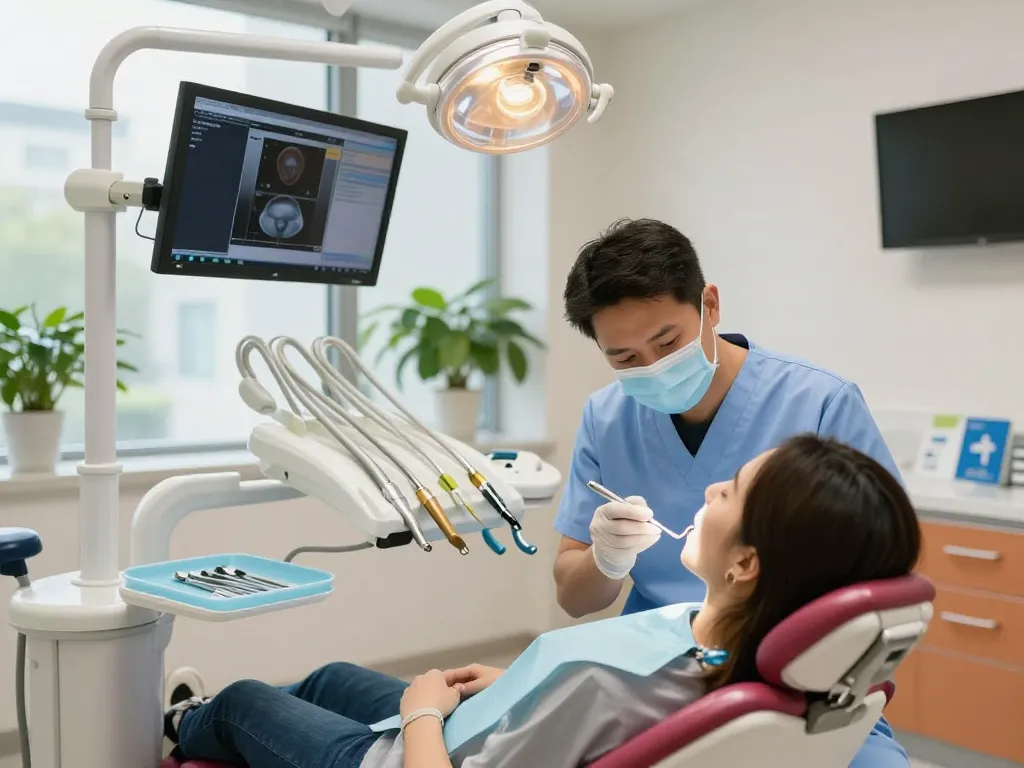
Understanding Essential Dental Tools
In the field of dentistry, having the right tools is essential for providing quality care and ensuring patient satisfaction. Dental tools are not just instruments; they are the backbone of effective dental practice. From routine cleanings to complex surgical procedures, the functionality and reliability of these tools play a pivotal role in achieving optimal outcomes. When exploring options, Dental tools provide comprehensive insights into what dental professionals should look for when investing in their equipment.
What Are the Most Common Dental Tools?
Every dentist is equipped with a variety of instruments tailored to meet the needs of their practice. The most common dental tools include:
- Dental Explorer: A sharp tool used for probing cavities and assessing tooth decay.
- Dental Mirror: Utilized to provide a view of hard-to-see areas of the mouth.
- Scaler: Essential for removing tartar and plaque from teeth.
- Forceps: Used for extracting teeth or holding tissues in place during procedures.
- Dental Drill: An indispensable tool for removing decay and shaping cavities.
Functionality of Basic Dental Instruments
Each dental tool has its unique purpose, and understanding the functionality of these instruments is crucial for effective practice. For instance, the dental explorer helps diagnose dental caries, while the scaler is vital for preventive care. Understanding how to use these tools properly can enhance patient outcomes and streamline procedures.
Importance of Quality in Dental Equipment
Investing in high-quality dental tools ensures longevity and reliability. Poor-quality instruments can lead to complications, increased patient discomfort, and even malpractice claims. Dentists should prioritize brands known for their durability, ergonomic designs, and efficiency. The right equipment not only improves performance but also elevates the overall patient experience.
Advanced Dental Tools for Modern Dentistry
The landscape of dental equipment is continually evolving, thanks to advancements in technology and research. Modern practices benefit from tools that offer precision and convenience, which significantly enhance clinical outcomes.
Innovations in Dental Technology
Technological innovations have led to the development of sophisticated dental tools such as laser dental instruments and digital imaging systems. Laser tools provide a minimally invasive option for surgery and treatment, allowing for faster healing and less discomfort. Digital imaging, on the other hand, offers high-resolution images that assist in diagnosis and treatment planning.
How Digital Tools Enhance Dental Practices
Digital tools streamline workflow, reduce time spent on manual tasks, and improve accuracy in diagnosis. For instance, 3D printing technology allows for the rapid production of dental prosthetics and tools tailored to the individual patient. This level of customization not only saves time but also enhances the fit and efficacy of dental restorations.
Future Trends in Dental Instrumentation
As we look toward the future, we can expect even more innovative tools to emerge. Trends such as AI-driven diagnostics and augmented reality for training and procedures are on the rise, promising to change how dental professionals approach treatment. Staying updated on these trends will be crucial for dental practices aiming to remain competitive in a rapidly evolving market.
Choosing the Right Dental Tools for Your Practice
Choosing the right dental tools involves careful consideration of several factors that align with the needs of the practice and the patients served. This process requires strategic planning and budgeting.
Factors to Consider When Selecting Dental Instruments
When selecting dental tools, consider factors such as:
- Functionality: Ensure the tools meet the specific needs of your services.
- Durability: High-quality materials extend the lifespan of instruments.
- Ergonomics: Choose tools that reduce strain during extended use.
- Cost-Effectiveness: Balance between cost and quality for optimal investment.
Budgeting for Dental Equipment Purchases
Budgeting for dental tools is essential for new and established practices. Consider creating a detailed expense report that includes expected costs for equipment, maintenance, and upgrades. Investing wisely can reduce long-term costs and improve service quality.
Brands to Trust in Dental Tools
For quality and reliability, certain brands have established themselves as leaders in dental tools. Brands like Hu-Friedy, A-dec, and Kerr are renowned for their commitment to innovation and quality. Research and read reviews to find the best options that fit your needs.
Maintaining and Sterilizing Dental Tools
Proper maintenance and sterilization of dental tools are vital for patient safety and compliance with health regulations. Unmaintained instruments can lead to sterilization failures, posing risks to patients.
Best Practices for Hygiene and Safety
Adhere to the following best practices to maintain hygiene:
- Regular Cleaning: Clean instruments immediately after use to prevent contamination.
- Proper Sterilization: Use autoclaves and follow established protocols for sterilization.
- Routine Inspections: Regularly check for wear and tear on instruments, replacing them as necessary.
Common Mistakes in Tool Maintenance
Common mistakes include neglecting regular cleaning, using the wrong sterilization methods, and failing to inspect tools regularly. Avoiding these pitfalls can significantly enhance patient safety and prevent costly errors.
Regulatory Standards for Dental Equipment
Compliance with regulatory standards is non-negotiable. Familiarize yourself with guidelines provided by organizations such as the CDC and OSHA, as these set the framework for safe dental practices.
Resources for Staying Updated on Dental Tools
In the fast-paced world of dentistry, staying informed is crucial. Numerous resources are available to help dental professionals keep up with industry developments and best practices.
Where to Find the Latest Dental Equipment Reviews
Websites dedicated to dental reviews and industry publications are invaluable for staying informed about the latest dental equipment. Resources like Dental tools offer unbiased insights and detailed reviews to aid in decision-making.
Joining Dental Communities for Knowledge Sharing
Participating in online forums and local dental associations allows professionals to share experiences and recommendations. These communities can provide support and valuable information to enhance practice standards.
Continuing Education and Workshops
Enrolling in continuing education courses and attending workshops focused on dental tools and technologies is essential for professional development. These programs often cover the latest advancements in dental instrumentation and best practices for use.
What are the tools used by dentists?
Dentists utilize a variety of tools to provide care, including mouth mirrors, dental drills, and ultrasonic scalers. Each instrument serves a specific purpose, aiding in diagnostics and treatment.
How do I maintain my dental tools?
Regular cleaning, proper sterilization methods, and routine inspections are key components in maintaining dental instruments. Following guidelines set by health organizations can enhance the lifespan of tools.
Are there eco-friendly dental tools available?
Yes, there is a growing range of eco-friendly dental tools, including biodegradable materials for tools and recyclable packaging options for dental products, making it easier for practices to adopt sustainable practices.
What innovations are shaping dental tools in 2026?
Innovations such as AI-driven patient diagnostics, tele-dentistry tools, and smart devices that aid in patient care are likely to shape the future of dental tools. These advancements promise to improve efficiency and patient outcomes.
How to choose the best dental tools for beginners?
For beginners, it’s crucial to start with a basic set of essential tools, focusing on quality over quantity. Seek guidance from experienced professionals and invest in tools known for their reliability and ease of use.