Understanding Plumbing Needs with a Plumber near me
When it comes to maintaining a home, plumbing is one of the most critical systems that requires attention and care. Households often face various plumbing challenges, and knowing when to call for assistance or how to handle the issues can save homeowners time, money, and stress. It’s essential to understand common plumbing problems, when to reach out for professional help, and the signs indicating underlying issues. Whether you are searching for a Plumber near me or trying to manage issues on your own, this guide will provide valuable insights.
Common Plumbing Issues in Households
Households can encounter a plethora of plumbing issues, some of which are more common than others. Here are a few prevalent plumbing problems:
- Clogged Drains: Over time, debris, grease, hair, and other materials can accumulate in pipes, leading to blockages.
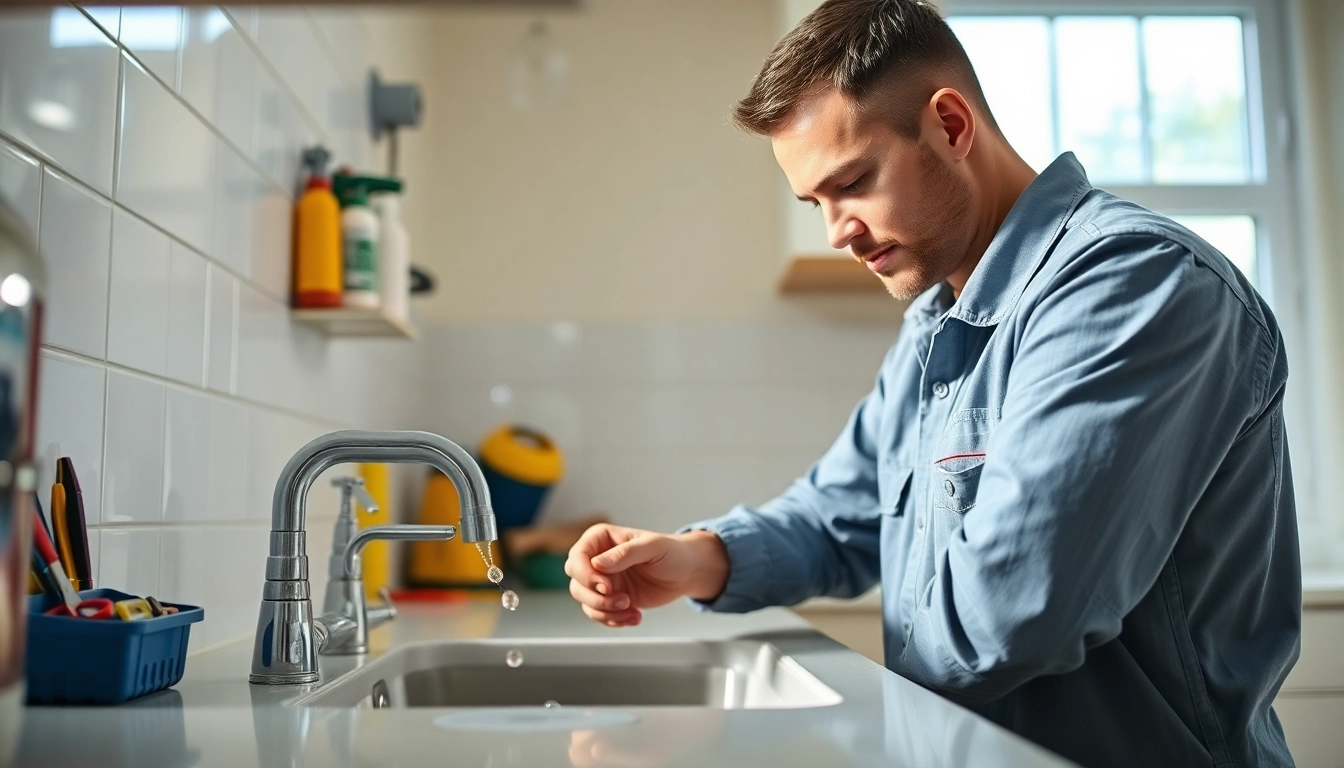
- Leaky Faucets: A dripping faucet may seem trivial, but it can waste gallons of water over time and increase your water bill.
- Running Toilets: A toilet that won’t stop running can be annoying and wasteful, often due to a malfunctioning flapper or fill valve.
- Low Water Pressure: Reduced water flow could indicate mineral buildup in pipes, leaks, or issues with the municipal water supply.
- Water Heater Problems: Not having enough hot water or a malfunctioning water heater can disrupt daily activities.
When to Call a Plumber near me
While some plumbing problems can be managed through DIY approaches, others require immediate professional assistance. Here are situations when you should consider calling a plumber:
- Frequent backups in drains, despite attempts to clear them.
- Significant leaks that cannot be contained or fixed easily.
- Major renovations that involve the plumbing system.
- Unexplained increases in your water bill.
- Gas line issues, which require specialized expertise and safety measures.
Signs of Plumbing Problems to Watch For
Being proactive about plumbing can prevent further damage and costly repairs. Here are key signs that indicate plumbing problems may be brewing:
- Unpleasant Odors: Foul smells can suggest sewer line issues or drain blockages.
- Water Stains: Brown spots on ceilings or walls can result from leaks in the plumbing system.
- Unusual Noises: Gurgling sounds in pipes or banging noises can hint at air trapped in plumbing or pressure issues.
- Soggy Spots in Yard: Puddles or overly lush patches of grass can indicate underground leaks.
Finding a Reliable Plumber near me
Finding a trustworthy plumber can feel daunting, but a methodical approach makes it easier. Here are steps to help you find the right services:
Researching Local Plumbing Services
Start by compiling a list of local plumbing services. Use online directories, community boards, or recommendations from friends and family. Once you have a list, check their websites for services, credentials, and contact information. Local plumbing services typically foster a better understanding of local plumbing issues and regulations.
Reading Customer Reviews and Testimonials
Customer reviews provide direct insight into the quality of service a plumber offers. Look for recent reviews on platforms like Google, Yelp, or social media. Pay attention to the comments about their response time, work quality, and customer service. If numerous reviews indicate a particular issue, consider it a red flag.
Evaluating Experience and Expertise
Experience matters in plumbing. Inquire about the number of years they’ve been in business and the types of plumbing jobs they specialize in. Companies with extensive experience in various plumbing disciplines can provide unique insights and effective solutions to complex issues. Ask if they offer warranties for their work to ensure you will be covered if problems arise after repairs.
Cost Factors for Hiring a Plumber near me
The cost of plumbing services can vary significantly based on several factors. Understanding how pricing works can help you budget effectively and avoid surprise charges:
Average Rates for Plumbing Services
On average, plumbing services can range from $45 to $200 per hour, depending on the complexity of the job and the plumber’s experience level. Simple tasks, such as drain cleaning, typically cost less, while more complex services can lead to higher charges. Always request a written estimate before any work begins.
Factors that Affect Plumbing Costs
Several factors influence plumbing costs, including the type of issue, labor rates, materials needed, and geographical location. For instance, emergency plumbing calls often incur higher fees, particularly during off-hours or weekends. The extent of the damage can also lead to additional costs if more parts need replacement or repair.
Budgeting for Unexpected Plumbing Repairs
It’s wise to factor plumbing repairs into your annual budget. Set aside a specific amount each month to create an emergency fund. This fund acts as a financial cushion for unexpected plumbing emergencies, ensuring that you won’t be financially strained when issues arise.
DIY Plumbing Tips Before Calling a Plumber near me
Before deciding to call a plumber, here are several DIY plumbing tips that can save you time and money:
Basic Tools Every Homeowner Should Have
Equipping yourself with essential plumbing tools can empower you to tackle minor issues. Some must-have tools include:
- Adjustable wrench
- Plunger
- Pipe wrench
- Drain snake
- Bucket
- Toilet auger
- Plumbing tape
Simple Fixes for Common Plumbing Problems
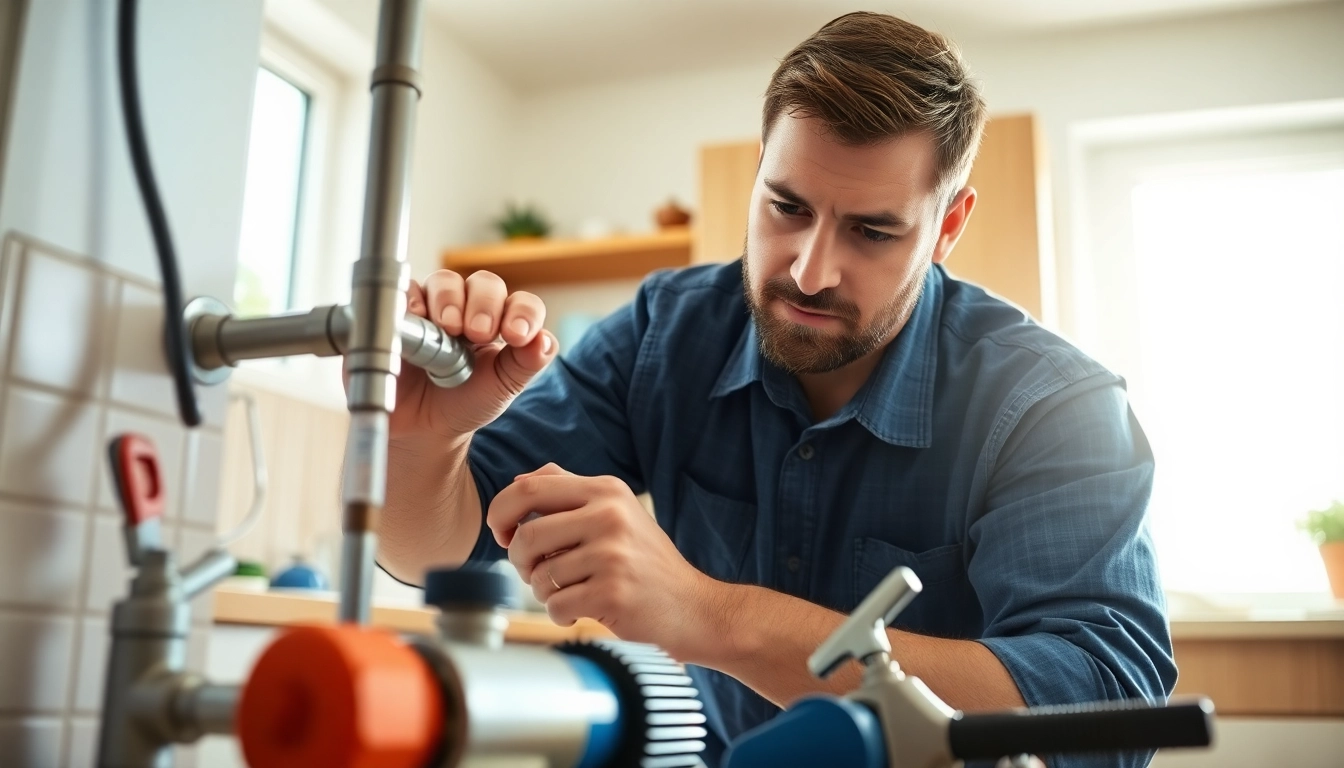
Homeowners can manage several basic plumbing issues on their own. For example, unclogging a drain often involves using a plunger or a drain snake, while a leaky faucet may be fixed by replacing the washer or O-ring. Additionally, tightening loose fittings can often resolve minor leaks.
When DIY Isn’t Enough – Knowing Your Limits
While DIY can be cost-effective, knowing when to stop is crucial. If you find yourself in a situation where the problem escalates or if the required repair is complex and requires specialized knowledge, it’s best to reach out to a Plumber near me. Avoid tackling gas lines or sewer issues without professional training, as these can pose significant safety risks.
FAQs about Working with a Plumber near me
What should I expect during my first plumbing visit?
During your first plumbing visit, the plumber will assess the issue, explain possible solutions, and provide an estimate for recommended repairs. This is a good time to ask questions.
How do I know if a plumber is licensed?
Check for local licensing requirements and ask the plumber for their license number. You can usually verify their license through your state’s licensing board.
Can I prevent plumbing issues in my home?
Regular maintenance, such as clearing drains and inspecting pipes, can reduce plumbing issues. Being mindful of what goes down drains also helps prevent clogs.
What should I do in case of a plumbing emergency?
In a plumbing emergency, turn off the water supply to prevent damage, then call a local plumber near me immediately for assistance. Document any damages for insurance purposes.
How often should I have my plumbing inspected?
It’s recommended to have your plumbing system inspected every 1-2 years, or sooner if you notice issues. Regular checks can prevent costly repairs down the line.