
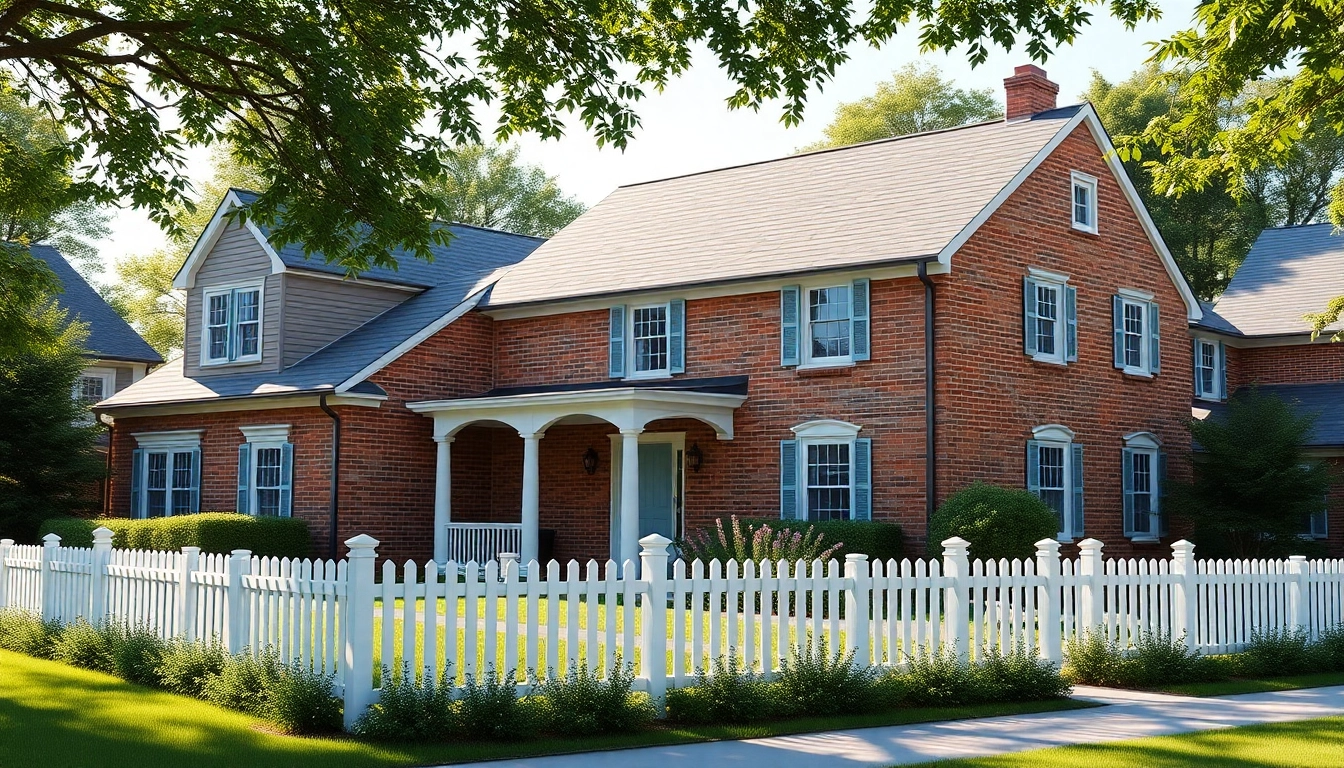
Understanding Colonial Home Construction
Colonial home construction represents a timeless architectural style that reflects history, culture, and practicality. Constructing a colonial home isn’t just about aesthetics; it integrates historical significance with modern requirements. If you’re contemplating a project around colonial home construction, understanding the core elements will be pivotal in achieving a meaningful design that honors tradition while meeting your contemporary needs.
Defining Colonial Home Characteristics
Colonial homes are renowned for their distinctive features, which include:
- Symmetrical Facades: Colonial homes typically have balanced, front-facing structures that create a pleasing visual symmetry.
- Colonial Roofs: Gabled roofs are common, often with dormer windows that add both style and function.
- Classic Porch Designs: Many colonial homes feature large, welcoming porches that enhance curb appeal and serve as outdoor living spaces.
- Standardized Windows: Often organized into rows, the windows are typically double-hung and may include shutters, adhering to historical designs.
Historical Context of Colonial Architecture
The roots of colonial architecture can be traced back to the early European settlers in the Americas, predominantly influenced by architectural practices from England, Spain, and France. Each regional variation offered unique traits, adapting to local climates and materials. Traditional colonial homes symbolize the quest for comfort, stability, and connection to heritage. Understanding this historical context encourages responsible construction that honors the architectural legacies of the past.
Materials Commonly Used in Colonial Homes
Building materials play a fundamental role in colonial home construction. Some of the most common include:
- Wood: Timber is a primary material for frameworks, siding, and interiors, offering durability and warmth.
- Brick: Frequently used for exteriors, brick provides excellent insulation and a distinctive appearance.
- Stone: In some regions, stone was a favored construction material, utilized for its sturdiness and natural beauty.
- Stucco: Use of stucco can be found in homes reflecting a Spanish colonial influence, often contributing to a unique character.
Planning Your Colonial Home Construction
Essential Steps for a Successful Build
Planning a colonial home construction involves several key steps to ensure success. Begin with a comprehensive design that reflects your vision while remaining true to colonial aesthetics. Collaborate with architects and builders who specialize in this genre to capture essential details and functional design. Conduct in-depth research to understand the local construction landscape, including necessary permits and their timelines. Effective communication and organization can streamline the complex process of building a home.
Budgeting for Colonial Construction
Developing a budget for construction is critical. Homeowners should consider various costs, from materials and labor to permits and unforeseen expenses. On average, costs may range from $150 to $300 per square foot, influenced by the complexity of the design and the materials chosen. Allocate additional funds for landscaping and interior finishes that align with the home’s period design. This strategic budgeting nurtures financial preparedness and helps avoid disruptions during the construction process.
Choosing the Right Location
The site selection is paramount in any successful construction project, particularly for colonial homes which are often designed to complement their environment. Ideal locations embrace historical significance and enhance community integration. Consider elements such as topography, sunlight orientation, and proximity to essential services. Additionally, investigate any zoning laws or regulations that could impact your home’s design and overall land use.
Design Elements in Colonial Home Construction
Interior Design Inspirations
Interiors of colonial homes should create an atmosphere that reflects the history while incorporating modern comforts. Think of warm, inviting spaces adorned with traditional furnishings, often made from hardwoods like oak or cherry. Incorporating Colonial Revival or Federal style influences can enhance authenticity. Key elements might include:
- Fireplaces: Central to colonial living, fireplace designs prioritize functionality and ambiance.
- Wainscoting: This decorative wall treatment adds historical significance, found in many colonial styles.
- Crown Molding: Intricate crown moldings can significantly enhance ceilings, providing an elegant transition between wall and ceiling.
Exterior Aesthetics and Curb Appeal
The exterior of a colonial home serves as its hallmark. Classic architectural lines, front porches, and carefully selected paint colors work in harmony. Use a color palette that reflects the historical context, such as muted earth tones or pastels. Incorporate classic elements like shutters and decorative trim to enhance authenticity. Choosing landscaping that complements the architecture is also beneficial, often including native plants and formal gardens for a refined appeal.
Landscaping Ideas to Complement Your Home
Landscaping plays a crucial role in the overall visual impact of colonial homes. Opt for landscaping that feels organic and tied to the historical roots of the home. Consider planting hedges, lining walkways with cobblestone, and using boxwoods or hydrangeas for structure and color. A well-thought outdoor space may also include:
- Formal Gardens: Create geometrically shaped flower beds for symmetry involved in colonial design philosophy.
- Pathways: Use natural stone or brick to lay pathways connecting various parts of your yard, enhancing accessibility.
- Outdoor Living Spaces: Integrate porches or patios to marry indoor and outdoor spaces seamlessly.
Building Regulations and Colonial Home Construction
Understanding Zoning Laws
Every area has specific zoning laws and regulations regarding residential construction. Understanding these can be crucial in the planning of your colonial home. Zoning laws often determine the type of residence allowed, setbacks from property lines, and height restrictions. Consult with local zoning boards to comprehensively understand requirements that could influence your design and construction process.
Permits Required for Construction
Acquiring the necessary permits is a vital step in the construction process. Depending on your location, permits might include building permits, electrical permits, plumbing permits, and more. These documents ensure the construction complies with safety standards and local building codes. Engaging with a contractor experienced in colonial construction can facilitate this process efficiently as they navigate regulations and handle applications.
Working with Local Authorities
Establishing good communication and a solid working relationship with local authorities can streamline the construction process. Engage in open discussions with zoning officials, building inspectors, and historical conservation boards if applicable. They can provide critical insight and support for maintaining compliance during the construction process, thereby minimizing potential conflicts or delays.
FAQs about Colonial Home Construction
What are the common features of colonial homes?
Colonial homes typically have symmetrical facades, gabled roofs, and classic porch designs that emphasize symmetry and elegance.
How long does colonial home construction take?
Construction duration varies but usually spans 6 to 12 months, influenced by project complexity, weather conditions, and site preparation.
What are the costs associated with colonial home construction?
Costs can differ widely based on location, size, and materials, averaging between $150 to $300 per square foot based on design choices and finishes.
Can I customize my colonial home design?
Yes, many aspects can be modified to suit individual preferences while preserving the characteristic elements of colonial architecture.
Are colonial homes energy-efficient?
Modern colonial designs frequently incorporate energy-efficient materials and insulation, thus enhancing sustainability without sacrificing style.