
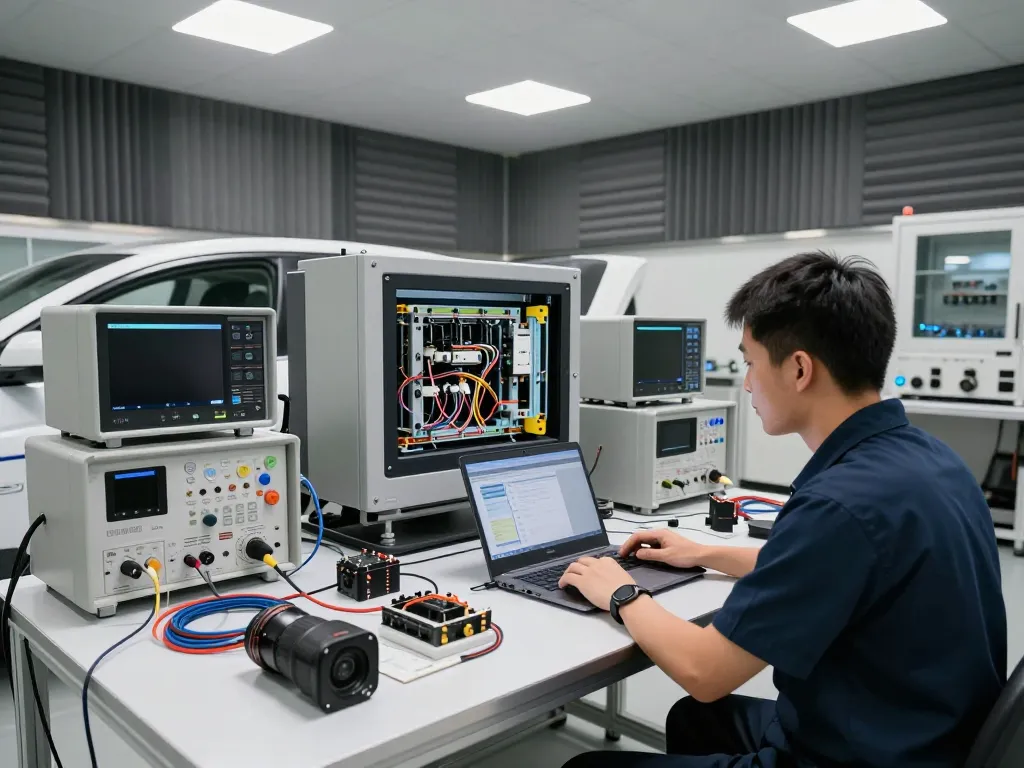
Understanding Automotive EMC Testing
Automotive Electromagnetic Compatibility (EMC) testing is integral to ensuring that vehicles and their electronic components function reliably without causing interference with each other or external systems. In the complex world of modern automotive technology, where multiple electronic systems coexist, the importance of proper EMC testing cannot be overstated. As vehicles become increasingly reliant on electronics for safety, navigation, and driving performance, Automotive EMC testing becomes critical for compliance and performance optimization.
Definition and Importance of EMC Testing
EMC testing evaluates how electronic devices interact with their environment and each other. This process ensures that electromagnetic emissions from a vehicle do not interfere with other devices nor are the vehicle’s electronic components affected by external electromagnetic fields. The importance of EMC testing in the automotive sector lies in its ability to enhance vehicle safety, reliability, and performance, ultimately preserving the user experience.
Key Regulations Governing EMC Compliance
The automotive industry is governed by several regulatory standards to ensure compliance with EMC requirements. Key regulations include:
- ECE Regulation 10 (R10): Covers EMC requirements for vehicles and their components.
- ISO 16750: Focuses on road vehicles’ environmental conditions and testing methods.
- CISPR 12 and CISPR 25: Define limits for electromagnetic emissions and immunity from vehicles and their components.
Understanding and adhering to these regulations is essential for manufacturers aiming to market their vehicles globally.
Impact of Poor EMC on Vehicle Performance
Failing to conduct adequate EMC testing can lead to serious repercussions for vehicle performance. Poor EMC can result in:
- Malfunctioning electronic systems, such as braking or navigation.
- Increased electromagnetic interference (EMI) affecting vehicle safety features.
- Potential recalls and repairs, leading to financial losses and reputational damage.
The automotive sector demands high reliability, and neglecting EMC can compromise vehicle integrity and safety.
Testing Methodologies in Automotive EMC
To ensure effective EMC testing, various methodologies are employed. These methodologies adapt to the specific requirements of modern automotive technologies, including mixed-signal devices and advanced driver-assistance systems (ADAS).
Overview of Common Testing Techniques
Common automotive EMC testing techniques include:
- Radiated Emissions Testing: Measures unwanted electromagnetic energy emitted from a vehicle.
- Conducted Emissions Testing: Evaluates unwanted electrical energy transmitted through power lines.
- Radiated Immunity Testing: Assesses how well a vehicle’s components withstand external electromagnetic fields.
- Conducted Immunity Testing: Examines a vehicle’s resilience to disturbances on power and signal lines.
Understanding these methods ensures thorough testing of all critical electronic components in the vehicle.
Setup Requirements for Effective Testing
A successful EMC test requires careful setup and preparation. Key considerations include:
- Isolation from external electromagnetic noise to prevent interference.
- Proper grounding and shielding of test equipment.
- Test environments that replicate real-world conditions.
By adhering to these setup guidelines, manufacturers can achieve accurate and reliable EMC test results.
Interpreting EMC Test Results
After conducting tests, interpreting the results is crucial for compliance. Engineers should analyze:
- The level of emissions detected against regulatory limits.
- Identifying which components contribute to EMC failures.
- Recommendations for design modifications to address issues.
Clear and actionable reporting from these analyses is essential for manufacturers to optimize their designs for compliance.
Challenges in Meeting EMC Standards
Despite the importance of EMC testing, numerous challenges arise during the testing and design phases of vehicle development.
Common Issues in Automotive Design
Typical challenges in meeting EMC standards include:
- Complex wiring and connectivity that increase the potential for interference.
- Integration of multiple electronic systems, which can lead to unexpected interactions.
- Design constraints that may limit the ability to implement effective shielding solutions.
These design issues must be effectively addressed to ensure compliance and performance.
Mitigation Strategies for EMC Problems
To mitigate EMC issues, manufacturers can employ several strategies:
- Designing components with EMC in mind (e.g., using differential signaling).
- Utilizing effective shielding materials and techniques.
- Conducting pre-compliance testing early in the design phase to identify potential issues.
Implementing these strategies can save time and costs associated with post-design modifications.
Case Studies on Real-World Compliance Failures
Real-world examples illustrate the potential pitfalls of neglecting EMC requirements. For instance, a large automotive manufacturer faced significant recalls due to interference caused by improperly shielded modules. The failure led to safety-critical systems malfunctioning, emphasizing the need for thorough EMC testing at various design stages.
Future Trends in Automotive EMC Testing
The landscape of automotive EMC testing is rapidly evolving, with new technologies and methodologies emerging to address the increasing complexity of vehicle electronics.
Emerging Technologies Impacting EMC Testing
Innovations such as digital twinning and advanced simulation software are transforming how manufacturers approach EMC tests. These technologies allow for virtual testing scenarios, enabling the identification of potential issues before physical prototyping.
Predicted Changes in Regulatory Frameworks
As automotive technology continues to advance, regulatory bodies are likely to implement stricter EMC requirements. Future regulations may focus on enhancing immunity against high-frequency interference due to the increasing use of connected vehicle technologies.
The Role of Automation in Compliance Testing
Automation is set to play a pivotal role in streamlining the EMC testing process. Automated testing solutions can significantly reduce the time and labor required for testing, allowing for faster iterations and more thorough evaluations.
Partnering with Expert Testing Laboratories
Choosing the right testing partner is crucial for ensuring compliance and addressing the complexities of automotive EMC testing effectively.
Choosing the Right Testing Partner
When selecting a testing laboratory, manufacturers should consider:
- The laboratory’s accreditations and experience in automotive EMC testing.
- The range of testing services offered and their compatibility with the manufacturer’s needs.
- Turnaround times and their ability to meet project deadlines.
Partnering with an expert laboratory can enhance the testing process and assure adherence to regulatory standards.
Benefits of Comprehensive Testing Solutions
Comprehensive testing solutions provide manufacturers with insights across all stages of development, including:
- Pre-compliance testing to identify early design issues.
- Full-spectrum testing to ensure complete coverage of regulations.
- Dedicating expert support for design modifications based on findings.
This holistic approach ensures that all aspects of EMC compliance are addressed throughout the product lifecycle.
Testimonials from Successful Compliance Clients
Many manufacturers have benefited from partnering with expert laboratories for their EMC testing needs. Clients frequently report reduced time to market and fewer compliance-related issues, highlighting the value of professional EMC support.
What is EMC testing in automotive?
EMC testing in the automotive context assesses the electromagnetic compatibility of vehicles and their electronic components, ensuring they operate correctly without interference.
Why is Automotive EMC testing necessary?
Automotive EMC testing is essential for ensuring vehicle safety, reliability, and compliance with regulatory standards, ultimately preserving the user experience and preventing costly recalls.
How can I prepare my vehicle for EMC testing?
Preparing for EMC testing involves ensuring proper installation of electronic components, minimizing potential sources of interference, and adhering to grounding and shielding best practices.
What are the main EMC standards for automotive?
The primary EMC standards for automotive include ECE R10, ISO 16750, CISPR 12, and CISPR 25, which establish emission and immunity limits for vehicles and their components.
How do I choose a reliable EMC testing laboratory?
Choosing a reliable EMC testing laboratory involves evaluating their accreditations, industry experience, and the breadth of services offered to ensure they meet your testing needs effectively.