
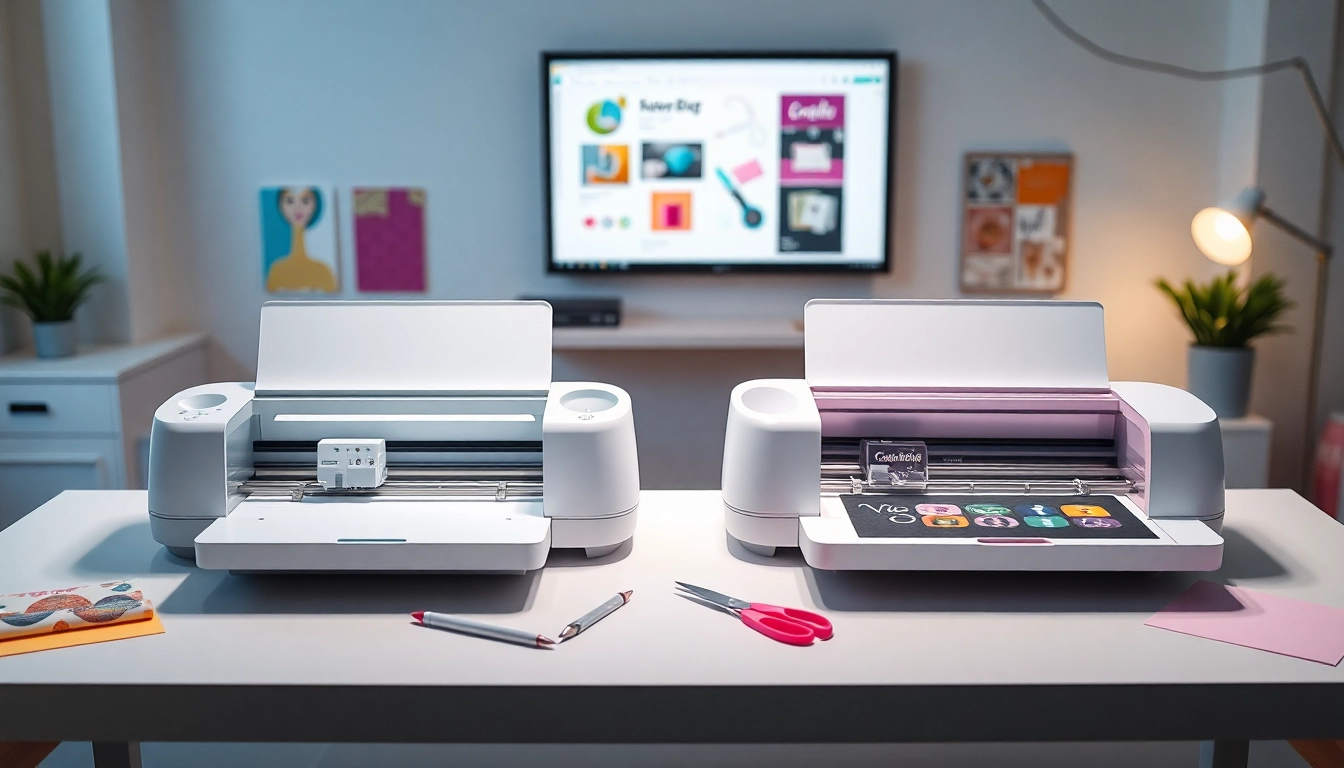
Understanding the Basics of Silhouette vs Cricut
When it comes to crafting, selecting the right cutting machine can significantly impact your creative process and product outcomes. Among the top contenders are Cricut and Silhouette, both celebrated for their precision and versatility. However, their features, ease of use, and capabilities vary greatly, making it crucial for crafters to understand their differences before making a purchase. When exploring options, silhouette vs cricut comparisons provide comprehensive insights that help inform your decision-making.
1. Key Features of Cricut Machines
Cricut machines are known for their user-friendly design and extensive cutting capabilities. The most popular models, such as the Cricut Maker and Cricut Explore series, offer a variety of features that cater to both novice and experienced crafters. Key features include:
- Adaptive Tool System: This allows for a range of tools to be used, including cutting, writing, and scoring, enhancing the machine’s versatility.
- User-Friendly Software: Cricut Design Space is intuitive, making it accessible for users of all skill levels.
- Access to a Vast Library: Subscribers can access an extensive library of images, fonts, and projects, enhancing the creative process.
- Automated Settings: Cricut machines automatically adjust settings based on material type, improving cutting accuracy and ease of use.
2. Overview of Silhouette Cutting Technology
Silhouette machines, such as the Cameo series, are known for their cutting technology and software flexibility. The primary features that set Silhouette apart include:
- Versatile Cutting Options: Silhouette machines can cut a wide range of materials, including vinyl, cardstock, and fabric.
- Advanced Software: Silhouette Studio offers comprehensive design capabilities, including advanced editing tools for creating intricate designs.
- Customizable Settings: Users can manually adjust cutting settings for maximum control over their projects.
- Print and Cut Feature: This functionality allows users to print their designs before cutting, perfect for stickers and labels.
3. Comparison of User Friendliness
User experience can greatly influence a crafter’s satisfaction with their machine. Cricut machines are often praised for their ease of setup and operation, catering to beginners with a straightforward interface. On the other hand, Silhouette machines provide more design flexibility, which may require a steeper learning curve for new users. However, this flexibility can benefit advanced users looking for more control over their projects.
Analyzing Performance in Crafting
1. Material Versatility: Cricut vs Silhouette
Both Cricut and Silhouette machines boast impressive material versatility, but they excel in different areas. Cricut machines are tailored for a wide range of materials, and many users find them particularly effective for vinyl projects due to their superior cutting precision. Silhouette machines, however, excel at cutting thicker materials, such as fabric and leather, making them a great choice for sewing enthusiasts.
2. Cutting Precision and Speed Analysis
Cutting precision is a critical factor, especially for intricate designs. Cricut machines generally offer excellent cutting accuracy, making them suitable for fine details. Silhouette machines provide similarly high precision with the added benefit of stronger cutting forces, which can be advantageous for tougher materials. Speed also varies; Cricut machines tend to operate faster for standard projects, while Silhouette may be slower when engaging advanced features.
3. Durability and Maintenance of Each Brand
Durability is essential for long-term crafting. Cricut machines are built with high-quality materials and are generally regarded as more durable for everyday use. However, they may require replacement parts, such as blades or mats, more frequently. Silhouette machines, while sturdy, can be more prone to wear under heavy usage. Regular maintenance, including cleaning the cutting blades and mats, can prolong their lifespan significantly.
Software Capabilities: Silhouette vs Cricut
1. Cricut Design Space Review
Cricut Design Space is a widely used software platform that comes with Cricut machines. It allows users to create and import designs, access a vast library of images, and make adjustments with intuitive drag-and-drop functionality. Its cloud-based nature means that projects can be accessed from multiple devices, which is a convenient feature for crafters on the go.
2. Exploring Silhouette Studio Features
Silhouette Studio is a powerful design software that offers advanced features for crafting. Users can create detailed designs, manipulate images, and adjust settings extensively. The software supports various file formats, enabling users to import designs easily. Unlike Cricut’s subscription service, Silhouette Studio offers a free basic version, with additional features available through paid upgrades.
3. Integration and Compatibility with Other Tools
Both software platforms have their strengths. Cricut machines seamlessly integrate with the Design Space, providing a consistent user experience. On the other hand, Silhouette Studio is known for its compatibility with other graphic design software, allowing for more complex and customized projects. Crafters should consider their design preferences when choosing a machine based on software capabilities.
Cost Comparison: Making an Informed Purchase
1. Initial Investment: Machine Prices
When evaluating the cost of Cricut vs Silhouette machines, it’s essential to compare initial prices. Generally, Cricut machines tend to be pricier, especially the Cricut Maker, which boasts advanced cutting capabilities. Silhouette machines, like the Cameo series, are often more budget-friendly, making them an appealing option for beginners or those on a budget.
2. Ongoing Costs of Materials and Accessories
Beyond the initial investment, ongoing costs for materials and accessories also play a significant role. Cricut machines are known for their proprietary materials, which can be more expensive than generic options. Silhouette, however, allows for greater flexibility regarding material brands and types. Users should consider their crafting habits and potential long-term costs when making their decision.
3. Long-Term Value Analysis
Assessing long-term value involves considering how often the machine will be used and the potential return on investment. While a higher upfront cost might deter some, Cricut’s extensive library of images and user-friendly designs can lead to quicker project completion. Silhouette’s flexibility and advanced capabilities might provide greater value for serious crafters looking to produce intricate designs over time.
Expert Opinions and Consumer Insights
1. Community Feedback on Cricut vs Silhouette
Community opinions on Cricut and Silhouette machines can provide real-world insights into user experiences. Many crafters appreciate Cricut’s straightforward user interface and cutting power, while others enjoy the flexibility and creative control offered by Silhouette machines. Online forums and crafting communities are excellent resources for gathering anecdotal experiences and recommendations.
2. Real-World Case Studies from Crafting Enthusiasts
Real-world case studies often highlight how different users have adapted each machine to suit their needs. For instance, many entrepreneurs have found success with Cricut for creating personalized products due to its ease of use and quick setup. Conversely, hobbyists seeking to push the limits of creativity often share their success stories with Silhouette, showcasing its advanced design features.
3. Trends to Watch in the Crafting Industry for 2026
The crafting industry is ever-evolving, and as we look to 2026, several trends are emerging. Eco-friendly materials are gaining traction, with crafters seeking more sustainable options. Additionally, the integration of AI in design software is expected to enhance creativity and efficiency. Staying updated with these trends will help crafters maximize their investments and keep their projects fresh and innovative.