
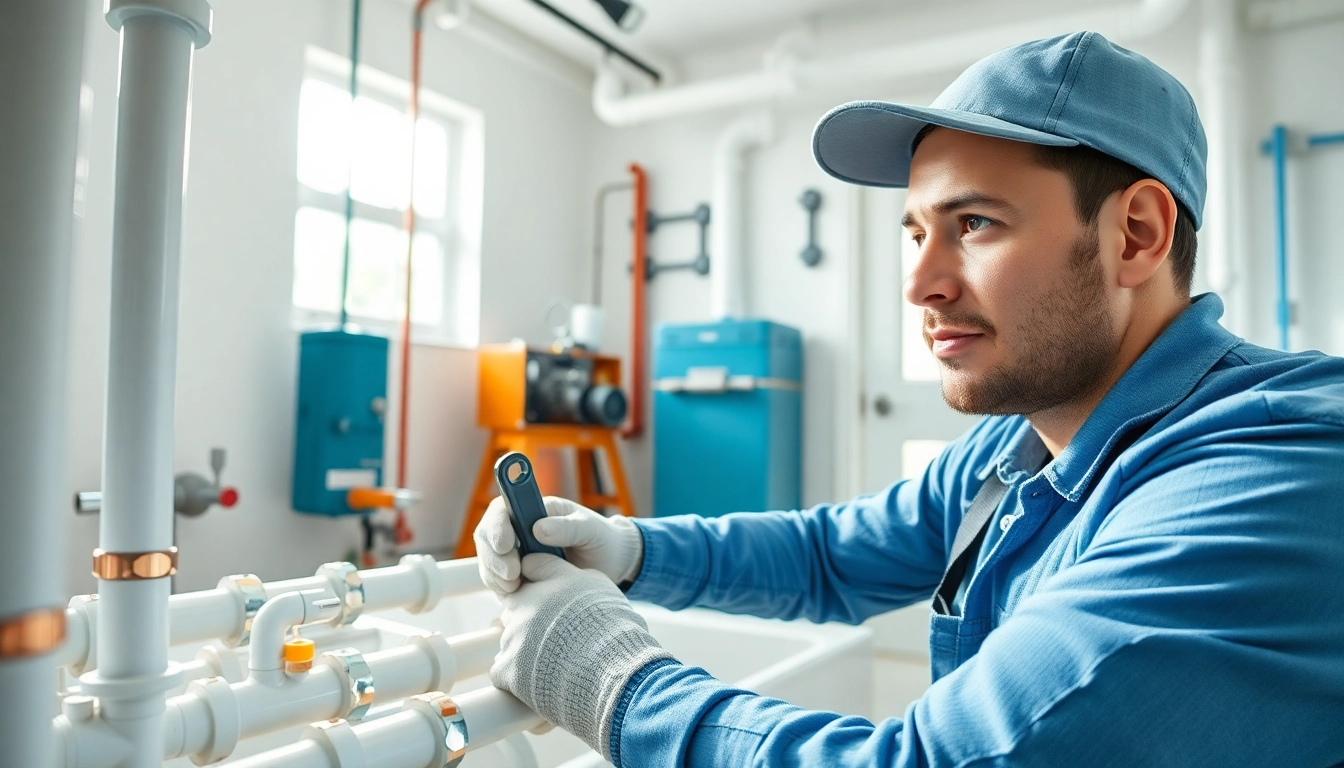
Understanding Whole House Repiping in St Petersburg
What is Whole House Repiping?
Whole house repiping involves the complete replacement of the plumbing pipes in a home. Over time, pipes can corrode, leak, or become blocked, leading to reduced water pressure, contamination of drinking water, and potential structural damage to your property. Repiping not only improves your plumbing system’s reliability but can also enhance your home’s efficiency and safety. By opting for whole house repiping services St Petersburg FL, homeowners can ensure their plumbing system operates optimally for years to come.
Signs You Need Repiping
Recognizing when your home needs repiping can save you from costly repairs in the future. Here are some signs to watch out for:
- Frequent Leaks: Repeated leaks from multiple areas indicate deteriorating pipes.
- Rusty Water: If your water has a reddish or brownish hue, it may be coming from corroded pipes.
- Low Water Pressure: A sudden drop in water pressure could signify blockages or leaks in the system.
- Unusual Noises: Banging or gurgling sounds may suggest air in the pipes or water hammer from faulty plumbing.
- Mold Growth: Excess moisture from leaks can lead to mold, which is a serious health risk.
Benefits of Whole House Repiping
The decision to re-pipe your home is significant and comes with numerous benefits:
- Increased Water Quality: New pipes can eliminate contaminants, ensuring safer drinking water.
- Improved Water Pressure: With fresh pipes, you’ll notice a significant upgrade in your water pressure.
- Reduced Need for Maintenance: New piping systems require less upkeep compared to older ones.
- Enhanced Property Value: A modern plumbing system can increase your home’s resale value.
- Peace of Mind: Knowing your plumbing is new and reliable can reduce stress for homeowners.
The Whole House Repiping Process Explained
Initial Consultation and Assessment
The repiping journey begins with a comprehensive consultation. A professional plumber will assess your current plumbing system, discuss your concerns, and recommend the best solutions. This initial evaluation helps in understanding the extent of the work needed and allows for a tailored approach.
Choosing the Right Materials
When it comes to repiping, selecting the proper materials is crucial. The most common materials include:
- Copper: Durable and resistant to corrosion, copper is a traditional choice.
- PEX (Cross-Linked Polyethylene): Flexible and resistant to scale and chlorine, PEX is gaining popularity for its ease of installation.
- CPVC (Chlorinated Polyvinyl Chloride): A cost-effective option with good resistance to corrosion, CPVC is suited for both hot and cold water lines.
Each material has its benefits and drawbacks, and your plumber will recommend the best option based on your needs and budget.
Installation Steps for Efficient Repiping
The actual installation process can vary depending on your home’s layout and the extent of the required work. However, the general steps include:
- Preparation: Clearing the work area and ensuring access to all pipes.
- Shutting Off Water Supply: Water to the house is turned off to prevent any flooding.
- Removal of Old Pipes: Careful extraction of outdated plumbing to minimize disruption.
- Installation of New Pipes: New pipes are laid out according to the planned design, ensuring they meet local codes.
- Testing the System: Once installed, the system is tested for leaks, pressure, and flow before re-routing the water supply back to the house.
After installation, a thorough cleanup ensures your home is left in impeccable condition.
Cost Factors for Whole House Repiping Services
Average Costs in St Petersburg FL
The costs associated with whole house repiping can vary significantly based on various factors. On average, homeowners in St. Petersburg can expect to pay between $5,000 and $15,000 depending on the complexity of the job and the materials used. While these figures represent a general range, a detailed quote based on your specific requirements is essential for accurate budgeting.
Factors Influencing Repiping Costs
Several factors can influence the overall cost of repiping:
- Size of the Home: Larger homes will require more materials and labor.
- Accessibility: If pipes are hidden behind walls or require extensive excavation, labor costs may increase.
- Material Selection: High-quality materials may incur higher initial costs but lead to long-term savings.
- Location: Local labor rates and permit requirements can influence costs significantly.
Estimating Your Repiping Budget
To estimate your budget for repiping, consider the following steps:
- Assess the size and condition of your current plumbing system.
- Research the costs of different materials.
- Get multiple quotes from reputable plumbers to compare costs and services.
- Include additional costs for potential repairs and upgrades that may arise during the process.
By preparing a detailed budget, you can better manage your expenses and avoid surprises down the line.
Common FAQs About Whole House Repiping
How Long Does Repiping Take?
Typically, the repiping process can take anywhere from 2 to 5 days, depending on the size of the home and the complexity of the plumbing system.
Will I Need to Leave My Home?
In most cases, you can remain at home during repiping; however, some water interruptions might occur. Your plumber will communicate any necessary adjustments to your routine.
What Materials Are Best for Repiping?
Copper, PEX, and CPVC are common materials used in repiping. Each has its advantages, so it’s best to discuss with a professional to determine the best fit for your home.
Can I Save Money by Doing It Myself?
While DIY can save money upfront, improper installation can lead to costly issues later. It’s often best to hire a professional to ensure quality workmanship.
What Happens if I Don’t Repiping?
Neglecting repiping can lead to severe plumbing issues, including repeated leaks, poor water quality, and extensive damage to your home’s structure.
Maintaining Your Plumbing After Repiping
Regular Maintenance Tips
Post-repiping, maintaining your plumbing system can extend its lifespan. Here are some essential maintenance tips:
- Inspect water pressure regularly and address drops promptly.
- Look out for leaks; check under sinks and around water-using appliances.
- Flush your water heater annually to prevent sediment build-up.
- Keep an eye on water quality and perform regular taste and odor tests.
Signs of Plumbing Issues Post-Repiping
Even after repiping, you should be vigilant about signs of plumbing issues. These include:
- New leaks or drips from fixtures.
- Unexpected increases in your water bill.
- Water discoloration or foul odors.
- Unusual sounds coming from pipes.
When to Call a Professional for Help
If you observe any unusual plumbing symptoms or difficulties, don’t hesitate to call a professional. Ignoring early signs of trouble can lead to more extensive (and costly) repairs down the line.