Understanding Cape Cod Homes
Cape Cod homes are a cherished architectural symbol of American history and charm, encapsulating the essence of coastal living. With their unique design characteristics and practical appeal, these homes draw both homeowners and architects looking to create a coastal retreat. Whether you are contemplating a new build or considering an expansion of your existing property, understanding the defining aspects of cape cod homes is crucial.
History and Design Features
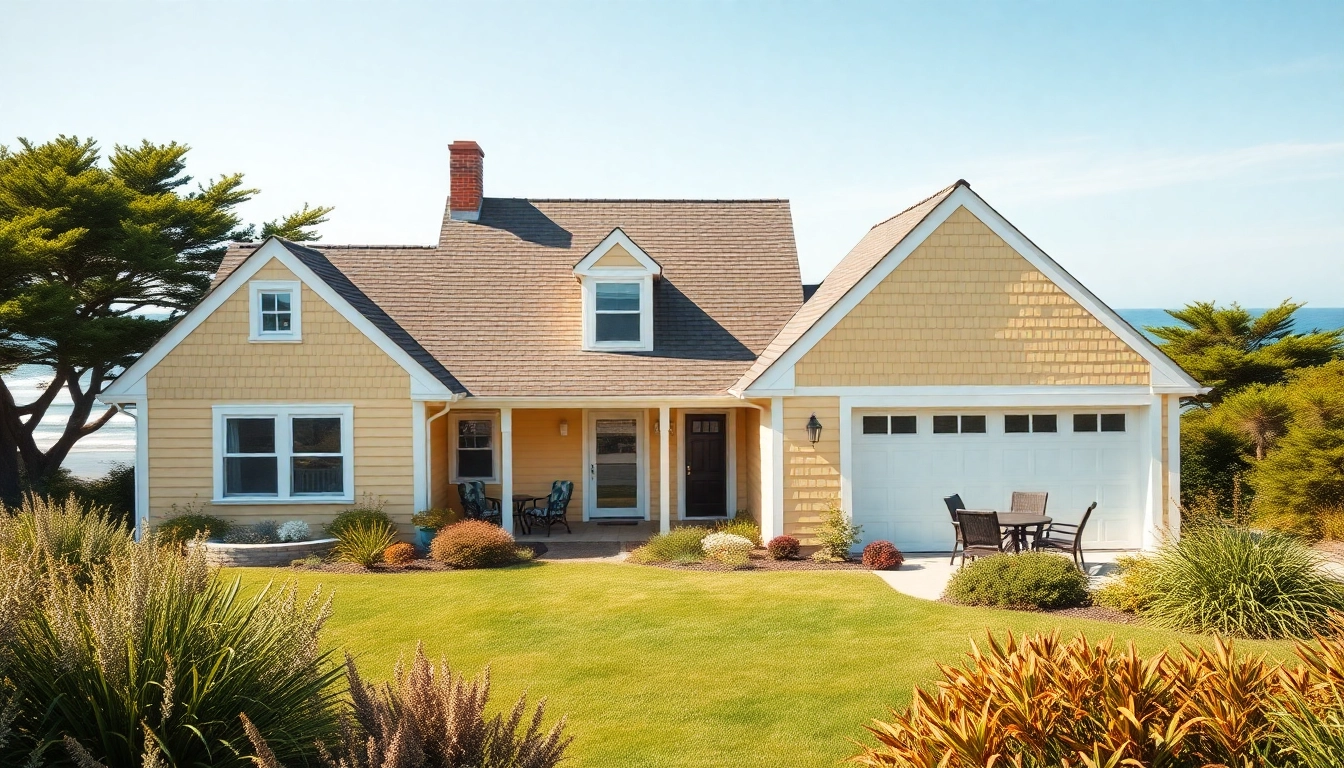
Emerging in the 17th century, Cape Cod architecture originated in New England and has evolved into a distinctive style representative of this region. The original homes were built by early settlers as a response to the harsh New England winters. They featured steeply pitched roofs, symmetrical facades, and dormer windows designed to combat snow accumulation while maximizing natural light.
Modern iterations of Cape Cod homes preserve essential elements such as clapboard siding, shingle exteriors, and simple moldings, offering aesthetic appeal while enhancing durability against the coastal elements. Also, the focus on small, compact designs promotes comfort and efficient heating in cooler months.
Characteristics of Cape Cod Homes
A typical Cape Cod home exudes timeless charm, characterized by:
- Steep Roofs: A defining feature that helps snow to slide off, ensuring longevity.
- Symmetrical Design: Generally, these homes have a balanced look with centered doors and windows.
- Large Dormer Windows: These windows allow natural light into the upper levels while providing extra space.
- Clapboard Siding: Often painted in muted colors, the siding helps maintain a classic coastal vibe.
- Fireplaces: Traditionally, these homes include a centrally positioned fireplace for warmth and charm.
Why Choose Cape Cod Homes?
Choosing to invest in a Cape Cod home comes with a plethora of benefits that blend practical living, aesthetic beauty, and heritage. These homes are ideal for those who appreciate the classic charm of coastal architecture and require a functional space that can adapt to modern living needs. Key benefits include:
- Timeless Appeal: Their classic design ensures they remain stylish across generations.
- Energy Efficiency: The design lends itself to effective insulation, saving on heating costs.
- Versatility: Cape Cod homes can be easily modified for modern living, making them ideal for expansions or renovations.
- Strong Community: Located predominantly in scenic coastal areas, they often foster a strong sense of community.
Expanding Your Cape Cod Home
Deciding to expand your Cape Cod home is an exciting venture that can improve functionality and boost property value. Careful planning ensures you maintain the quintessential style while accommodating your growing needs.
Planning for an Expansion
Proper planning is essential for successful home expansion. Start by evaluating your needs: Do you require additional bedrooms? Perhaps a larger kitchen or an office? Engage with an architect who understands Cape Cod design principles to retain the home’s character during expansion. Make use of existing spaces, including attic or basement areas, to maximize your expansion opportunities.
Designing an Attached Garage
An attached garage can add significant functionality to your home. When designing, consider the overall aesthetic and ensure that the garage blends seamlessly with the existing structure. This includes matching materials and colors. A gabled roof garage, for example, can maintain the traditional look while offering practical space for vehicles and tools. Furthermore, incorporating additional storage or a mudroom concept can enhance utility, making the garage not just a parking space but a functional asset to your home.
Permits and Regulations
Before commencing any construction, it’s vital to familiarize yourself with local zoning laws and building codes. In many locations, homeowners are required to obtain proper permits for expansions and renovations. Consult with your local authorities, or better yet, have your architect handle this research to ensure everything is up to code. Keep in mind that regulations can vary significantly from one area to another, especially in historic districts.
Interior Enhancements for Cape Cod Homes
Once you have planned your expansion thoughtfully, enhancing the interior can further elevate your Cape Cod home’s living experience.
Maximizing Space and Functionality
To make the most out of your Cape Cod home’s configuration, consider open-concept layouts that connect kitchen, dining, and living areas. This approach encourages a flow that feels both spacious and welcoming. Furthermore, integrating built-in furniture can save space and add functionality, offering solutions for everything from seating to storage. For instance, under-stair storage or window seat nooks lend utility without sacrificing style.
Style Clashes and Solutions
While Cape Cod homes are traditionally styled, modern enhancements can sometimes clash with historical elements. To avoid this, it’s important to focus on harmonious integration. Select contemporary furniture that complements rather than overwhelms the space. Use color palettes inspired by coastal environments—soft blues, warm neutrals, and white—ensure a cohesive look. Furthermore, infusing natural materials such as wood and stone maintains that rustic aesthetic typical of Cape Cod charm.
Storage Solutions in Cape Cod Homes
Storage is often a challenge in Cape Cod homes due to their cozy design. However, creative solutions can make a significant difference. Utilize wall-mounted shelves and cabinets to keep floor space clear. Consider multi-purpose furniture, such as ottomans that open for storage or coffee tables that can accommodate hidden compartments. Additionally, repurposing entryways with hooks and benches can streamline organization for shoes and outerwear.
Landscaping Ideas for Cape Cod Homes
An attractive exterior complements your Cape Cod home’s architectural style. Thoughtful landscaping not only beautifies but also enhances the overall curb appeal.
Choosing Native Plants
Opting for native plants in your landscaping is advantageous as these species require less maintenance, are more resilient against local pests, and often thrive with minimal irrigation. Consider incorporating native grasses, flowering plants, and shrubs that can withstand coastal conditions. This selection not only makes for a lower-maintenance garden but also supports local biodiversity.
Outdoor Living Spaces
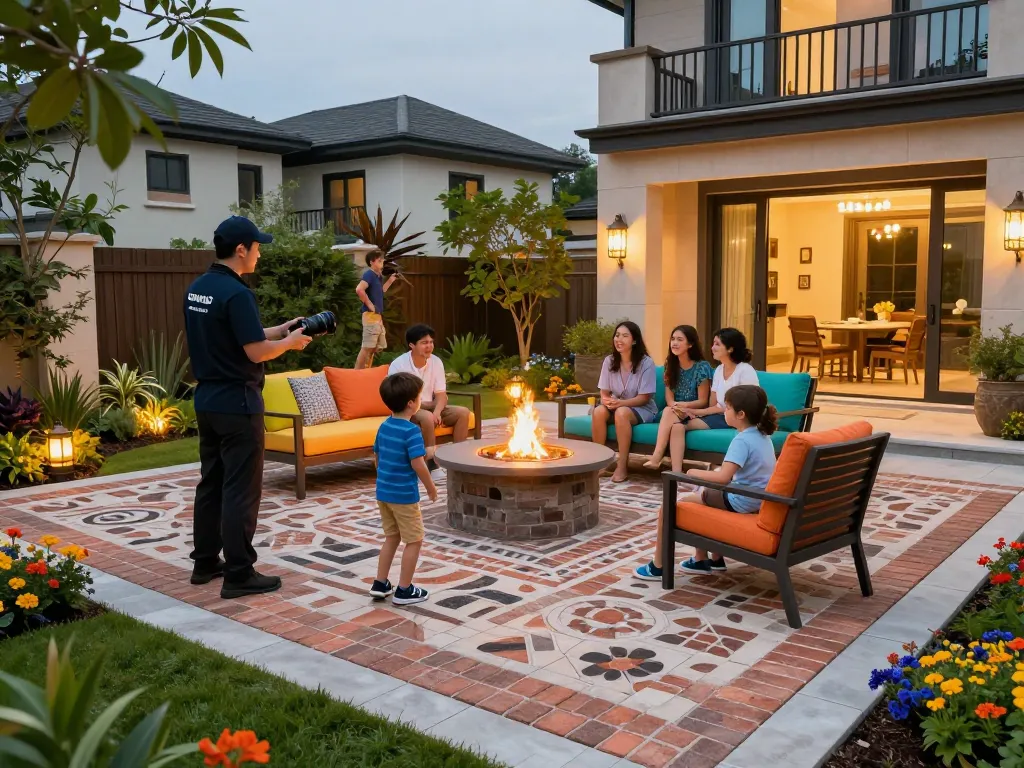
Creating outdoor living areas can significantly extend your living space while taking full advantage of pleasant weather. Common additions include patios, decks, or outdoor kitchens. Use these spaces for entertaining friends and family or simply enjoying the natural beauty of your surroundings. Adding features such as outdoor fire pits or pergolas can enhance these spaces, creating cozy, functional outdoor environments.
Seasonal Considerations
Landscaping designs should consider seasonal changes, especially in coastal regions where weather conditions can vary significantly. Plan your plantings for year-round interest by selecting species that bloom at different times of the year. Implementing hardscapes like stone walkways can add structure and focal points, making your garden visually appealing regardless of the season.
FAQs about Cape Cod Homes
What is the typical size of Cape Cod homes?
Typically, Cape Cod homes range from 1,200 to 2,500 square feet, though sizes can vary widely. Custom designs often reflect individual needs and preferences.
How do I maintain the exterior of a Cape Cod home?
Regular maintenance includes inspecting siding, painting, checking roofs, and ensuring good drainage. Seasonal cleaning helps prevent wear from harsh coastal elements.
What styles are popular in Cape Cod home expansions?
Popular styles for expansions include modernized versions of traditional Cape Cod, often featuring open layouts, updated kitchens, and eco-friendly materials.
Are there specific permits needed for home expansions?
Yes, most areas require building permits for home expansions. Always check with local zoning laws to ensure compliance with regulatory requirements.
What are the best landscaping choices for Cape Cod homes?
Native plants are ideal, as they adapt to local climate. Incorporating hardscapes and seasonal plants can create a functional, visually appealing landscape.